


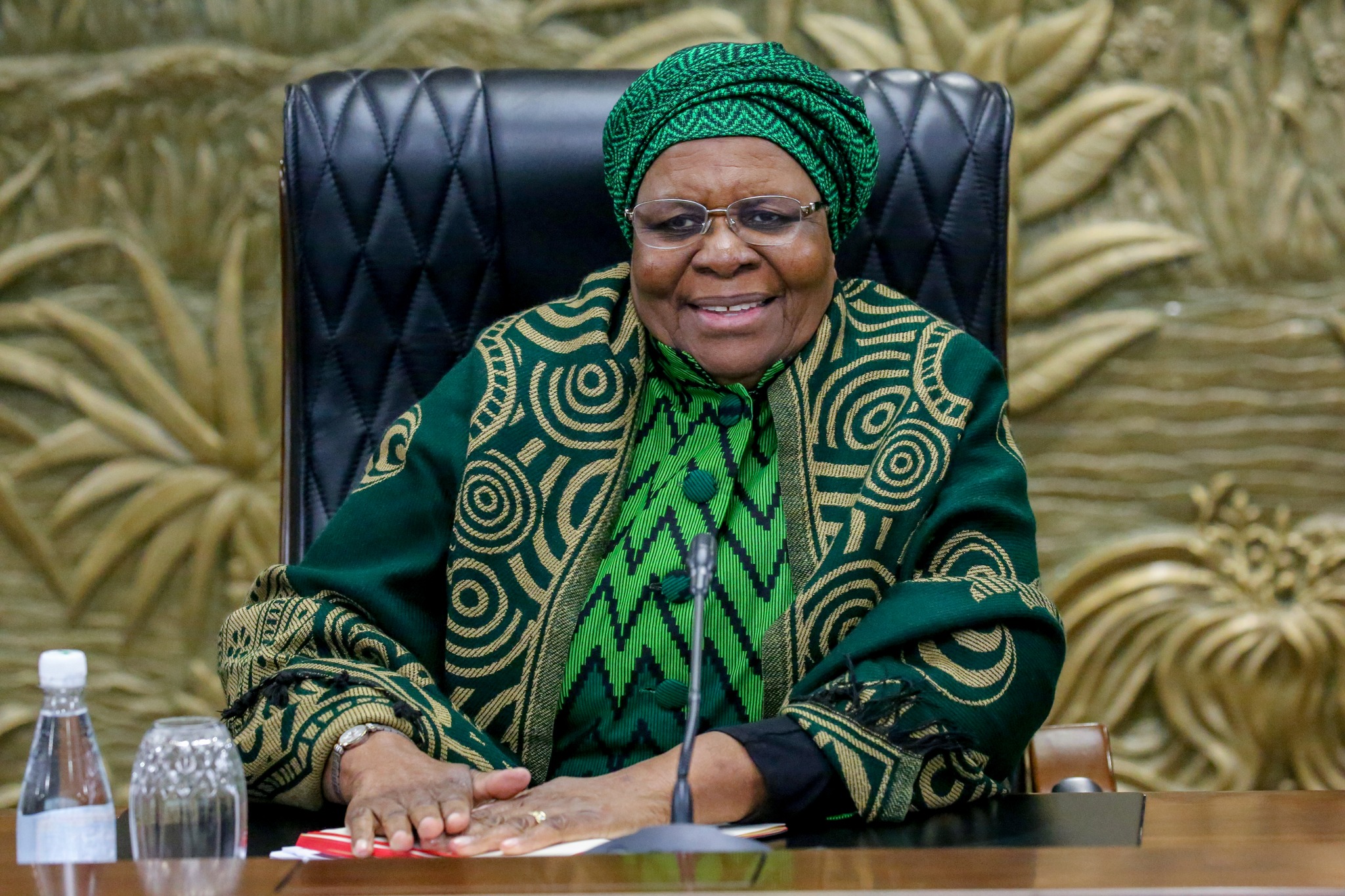
President Netumbo Nandi-Ndaitwah says the commemoration of the Day of the African Child is an opportunity for Namibians to reflect on the journey they have travelled in child protection, recognising that children are the future.

She noted that the well-being and inclusion of children in the development process are paramount in the attainment of the continental blueprint, Agenda 2063, the Africa We Want.
President Nandi-Ndaitwah reflected on these and other areas of progress in a statement to mark the Day of the African Child, commemorated on June 16 annually.
The theme for this year's commemoration is "Planning and Budget for Children's Rights: Progress since 2010".
She says Namibia, as a signatory to the African Charter on the Rights and Welfare of the Child, remains steadfast in its commitment and that the government is working to ensure that national aspirations align with the broader continental vision for child protection and development.
These commitments, Nandi-Ndaitwah says, are reflected in the healthcare and education system, evidenced by the provision of free basic and secondary education and healthcare services to children.
Supporting these efforts is the prioritising of the development of Early Childhood Development Programmes by the Ministry of Gender Equality, Poverty Eradication and Social Welfare.
President Nandi-Ndaitwah commended the Ministry for ensuring access to quality care and learning environments, particularly in rural areas, and for its consistent dedication to resource allocation and programme implementation.
However, Dr. Nandi-Ndaitwah remains concerned over incidents of gender-based violence, child labour and malnutrition, which are still prevalent.
She called on all stakeholders to work in the children's interests and foster cross-sector collaboration, sustained investments, and active participation from families.
The Day of the African Child is dedicated in honour of students who participated in the Soweto uprising in 1976 in South Africa in protest of the poor quality of education and demanded to be taught in their mother tongue.
More than 100 students were killed, including Hector Pieterson, whose death became a symbol of resilience and courage in the face of injustice.
President Nandi-Ndaitwah paid tribute to their unwavering spirit, which she says inspired students and young people in Southern Africa to pursue justice, equity and dignity.