


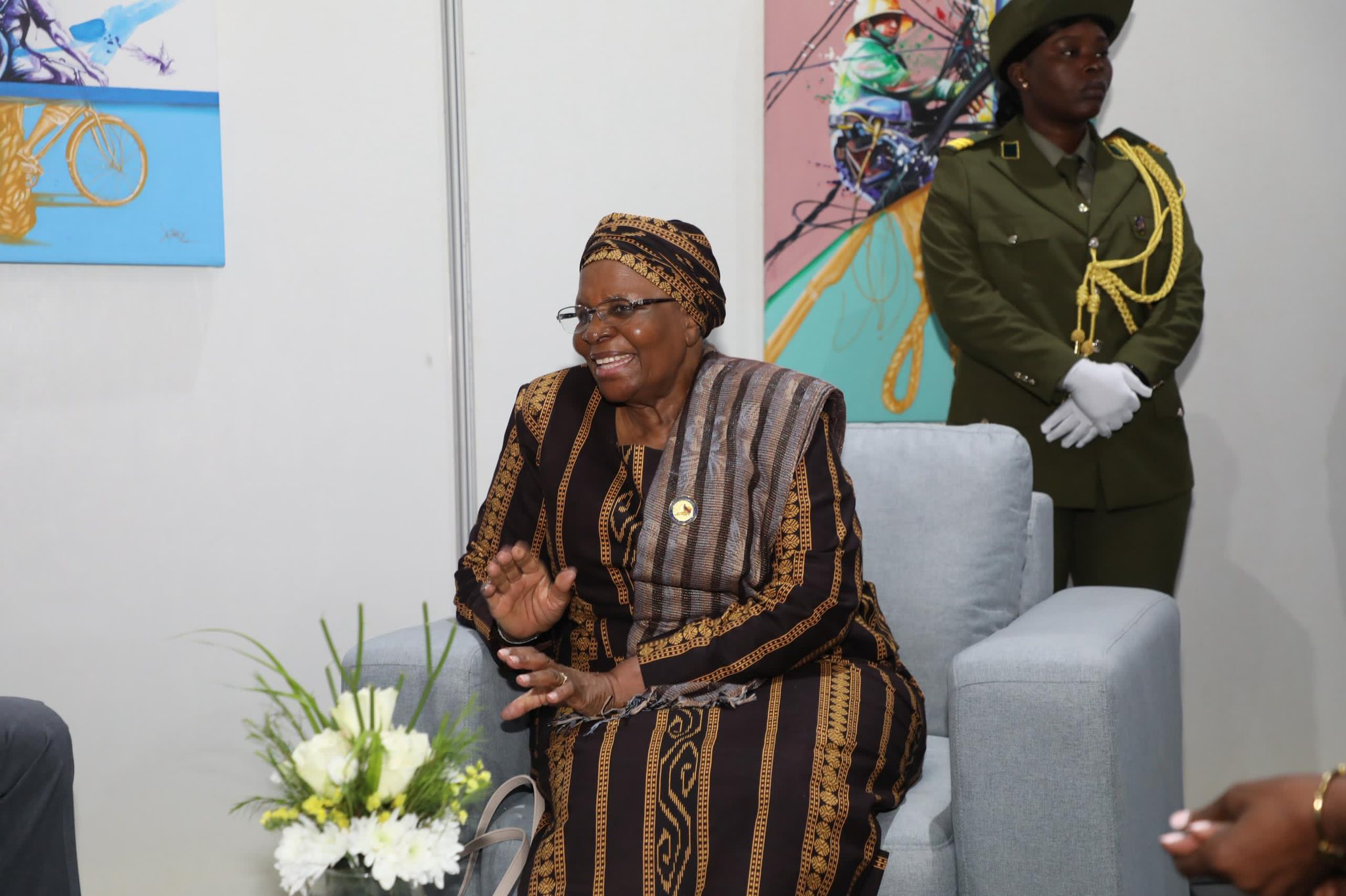
President Netumbo Nandi-Ndaitwah says her administration is looking to bring more women on board in crucial sectors such as mining.
In this regard, she appealed to potential partners in the USA and across the globe, urging the private sector to invest in African women not as beneficiaries, but as partners, co-creators, and change-makers.
Dr. Nandi-Ndaitwah addressed a panel discussion on "Women in Leadership: Driving Innovation, Catalyzing Investments, and Shaping Policy" at the U.S.-Africa Business Summit underway in Luanda, Angola.
President Nandi-Ndaitwah further recognizes the need for policy to be paired with practice.
This has led to the subsequent introduction of special financial instruments to support women-led MSMEs, particularly in agriculture, tourism, renewable energy, and digital services.
Dr. Nandi-Ndaitwah shared that 40 percent of local SMEs are now women-owned, but many still face limited access to capital and networks, a gap she says must be closed.
"Women do not need charity; they need opportunity. They do not need permission to lead; they need systems that no longer penalize them for taking leadership positions. I appeal to the international community and investors to join Namibia to achieve our mutually beneficial goals."
As U.S.-Africa ties and this U.S.-Africa Business Summit draw to a close, the Namibian leader emphasized that the platform ensures gender equity is a cornerstone of innovation, catalyzing investments, and shaping policy.
"Innovation, after all, does not flourish in isolation; it flourishes when women have equal access to technology, education, and decision-making spaces. That is why we have decided to invest in Girls in Science, Technology, Engineering, and Mathematics (STEM) programs, the National Women in Innovation Challenge, and several regional business accelerators tailored for women entrepreneurs."
Namibia's dedication to women empowerment has been acknowledged by the U.S.-based Corporate Council on Africa, dubbing the move a model for other countries.
The plenary sought to spotlight the transformative role of women leaders in driving innovation, advancing investment opportunities, and influencing policy across the U.S.-Africa trade and investment landscape.