


Indigenous languages are a vital tool for restoring dignity and strengthening resilience among genocide-affected communities.
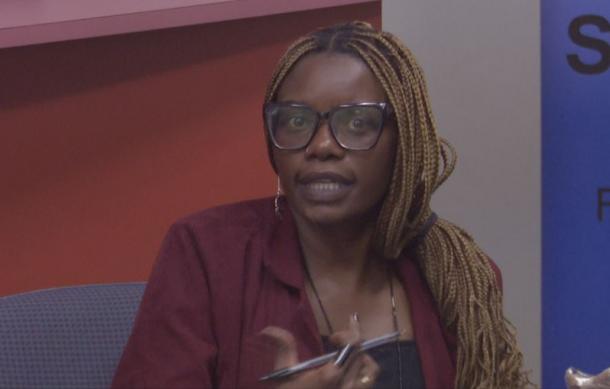
Poet and linguistics enthusiast Nesindano Namises said this during a public dialogue on Trilogy to the Future-Restoration and Resilience in Windhoek on Friday.
Studies have shown that an indigenous language is best used to express oneself.
It helps send the message across stronger and purer about trauma, grief, joy, healing and even just transferring key information.
Namises says indigenous languages serve a critical role in safeguarding history that has not been documented, through storytelling, songs and traditional rituals.
The Trilogy to the Future dialogue series aims to explore the past and present of Namibia's genocide history with the purpose of sharing, learning, healing and envisioning a collective path forward.
Programme Manager of the Namibia Institute for Democracy (NID) Jacinta Kasume explained the motive behind the initiative.
“What will drive today's discussion- first will be restoration, which cannot be a one-dimensional process, and it has to move beyond the monetary and political setting and must include elements of culture, language, history, emotions and spirituality. Our second theme is resilience, not just as endurance but as an intentional process of preserving hope and dignity in the face of historical and present-day adversity.”
This was the final series organised by the NID.