


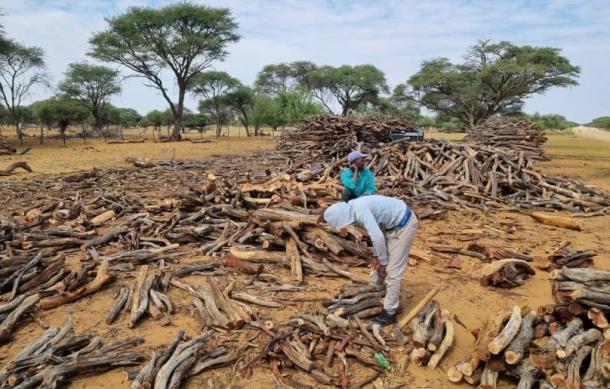
A Global Accelerator Joint Programme, focusing on a biomass and bush-feed project is set to begin operation near Otjiwarongo.
The Global Accelerator team introduced the Agri-Systems Transformation Initiative, which is currently being rolled out in Namibia.
Backed by the United Nations Development Programme (UNDP) and the government, the jointp rogramme aims to unlock the potential of the agriculture sector, with a specific focus on the emerging biomass industry.
The initiative, whose biomass component implementation led by the UNDP, seeks to drive decent job creation, extend social protection, and build more inclusive rural economies.
UNDP's Project Associate Michael Field explained that the processing facility has been identified as a possible site, as "it holds strong potential for job creation in the region."
The team is currently engaging various local stakeholders to align efforts and gather input on the project's rollout.
The target is to empower vulnerable and marginalised groups, foster sustainable economic growth, and catalyse innovative partnerships for a long-term impact.
UNDP's Environmental and Social Safeguards Expert, Anthony Odongu shared the future plans of the project.
"As the project evolves, we want to ensure it's built with their input. That's why consultations like these are essential - to identify challenges and co-create sustainable solutions with the people who know the area best."
Youth from local communities will play a key role in supplying the project with raw materials.
The National Youth Service (NYS) is already offering training to communities interested in participating.
A Workers Committee Member Mahongora Kavihuha also gave insight about the training.
"NYS is equipping young people with practical skills, especially in machine operations and other technical aspects. We are also collaborating with institutions to ensure knowledge transfer reaches even those indirectly involved."
As part of its commitment to responsible development, the project is developing an Environmental and Social Management Plan.
This plan will identify and address potential impacts, ensure compliance with national regulations, and follow international best practices, ensuring that the biomass facility is both environmentally sound and socially inclusive.