


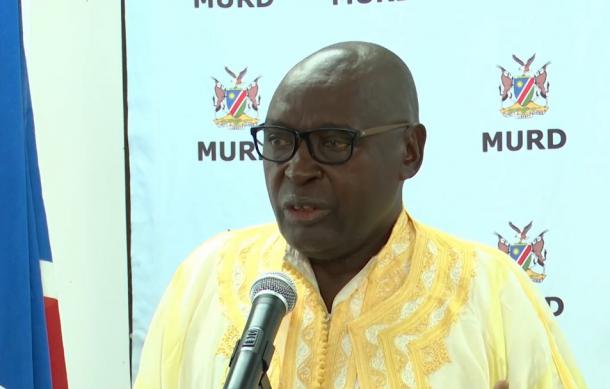
The Minister of Urban and Rural Development, James Sankwasa, wants the 2025 November Regional Councils and Local Authorities elections' results to yield tangible benefits for the electorate.
He commented on this at Ondangwa while officially opening induction training for regional and local authority councillors, management, and chief executive officers.
Sankwasa said that, as elected officials who assume their duties, they should reflect on why they were elected, and they should already have clear development programmes in place for their constituencies.
He said that during his tenure, he will continually interact and consult stakeholders on matters regarding regional and local government, as well as with traditional authorities.
Sankwasa called on the councillors to adhere to the code of conduct as a guiding tool in their daily operational activities to deliver effective and efficient service to the electorates.
"The core value of the ministry, which includes all councils, is primarily focused on accountability and customer care, serving as the foundation for effective governance and the delivery of quality services in regional and local authorities for various reasons. This is because the daily cries of the Namibian people are for better and improved service delivery by all organs of government, irrespective of political affiliation, eradication of corruption in all its forms and accountability for all actions we in government and leadership take."
He said Namibians want fairness and a decent and dignified quality of life, and public service delivery, he added, is key to those ambitions.
Sankwasa further urged regional and local authority councillors to collaborate with the government in addressing unemployment.
He suggested revisiting casual work programmes, such as the 'food and cash for work' programme, which once catered to the unemployed.
The minister said he was disappointed with the lack of response to previous calls to draw up budgets for such.
Sankwasa then urged the councillors to be considerate of vulnerable people and pensioners when deciding to suspend services like water, saying huge bills by many institutions, including government offices, are excused.
"I am saying every ministry and every government institution, being businesses, must pay their water bills; it is not a choice. This thing of local authorities running to disconnect the water of a pensioner owing N$500, leaving a businessperson who is owing N$50,000 to N$100,000, is unwelcome."