


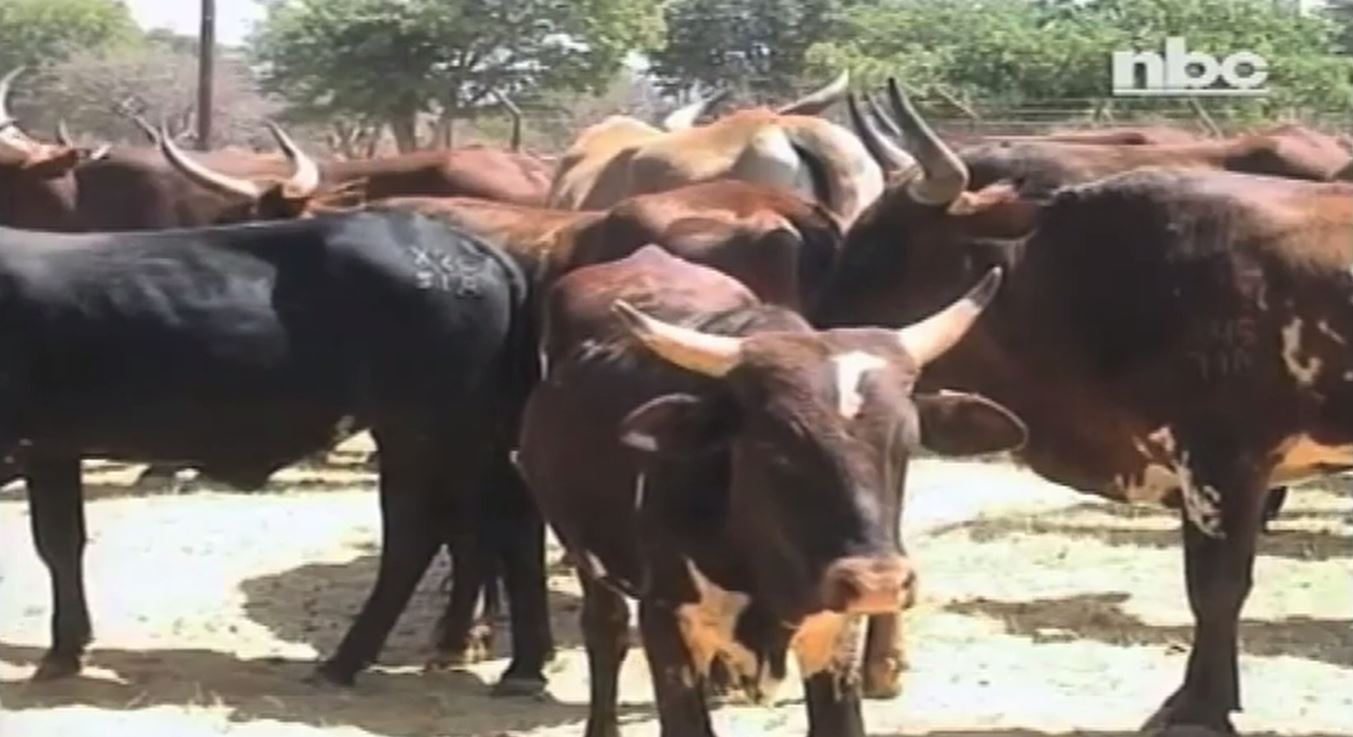
Namibia is intensifying efforts to safeguard its internationally recognised foot-and-mouth disease (FMD)-free zone following rising outbreaks in the Southern African region.
Speaking at a stakeholder engagement, the Deputy Executive Director for Agricultural Development in the Agriculture Ministry, Kingsley Kwenani, warned that FMD poses a serious threat to national economic security.
The disease, which is one of the world's most devastating transboundary animal diseases, threatens not only livestock health but also exports, national revenue, food security, and investor confidence.
The animal disease could devastate Namibia's agriculture sector, which supports 70% of the population and contributes around six million dollars to the GDP.
Namibia has maintained an internationally recognised FMD-free zone south of the Veterinary Cordon Fence since 1997, which gives the country access to premium global markets.
However, recent outbreaks in the region, including South Africa's loss of its FMD-free status and a case in Botswana's Zone 6B, have raised concern.
Kwenani warned that a single confirmed case in Namibia's FMD-free zone would immediately shut down export markets, with severe economic consequences.
The government has strengthened border controls, surveillance, and veterinary deployments and secured N$57.5 million for response measures.
"Infrastructure upgrades, patrols, rezoning strategies and the establishment of the national FMD vaccine bank are underway. Protecting Namibia's FMD status is not solely the government's responsibility, and I want to really emphasise this. If we have to safeguard this interest against the introduction of FMD, we have to work together."
The acting CEO of the Livestock and Livestock Products Board of Namibia, Kambaurona Tujendapi, warned that the sector's combined social, trade and domestic value, estimated at N$15 billion annually, could be wiped out by a foot-and-mouth disease outbreak.
He emphasised that Namibia's self-sufficiency in extensive livestock production, particularly cattle, goats and sheep, has positioned the country as a net exporter.
Tujendapi emphasised the need to protect the industry from disruptions.
"We have a very nice agreement with the EU through your economic partnership agreement, where we enter the EU without necessarily paying any duties. It's a very lucrative market, and we have chosen that market because we have invested heavily in our industries, in terms of traceability, in terms of whatever we have in the country that has put Namibia on the global map as one of the few African countries, maybe now the only one, that is still standing that can trade with the international world."
Tujendapi stressed that an FMD outbreak would also trigger quarantines, movement bans, and auction cancellations and cause price drops of an estimated 50% initially, then expected to fall to as low as 10% within a month, labelling it a "trade disease".