


The Ministry of Agriculture, Fisheries, Water and Land Reform (MAFWLR) has assured farmers and the public at large that no traces of Foot and Mouth Disease (FMD) have been found in the country thus far.
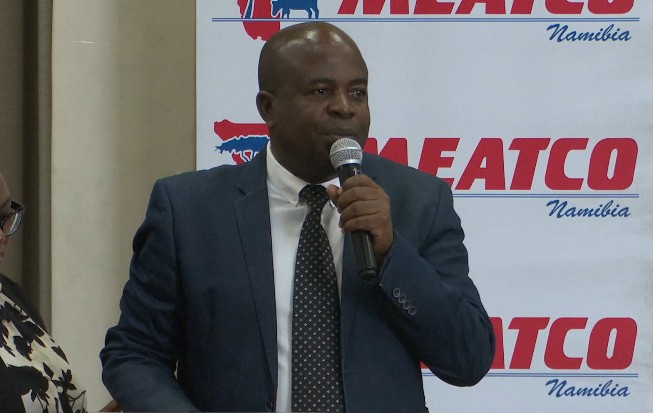
The ministry's Chief Veterinary Officer, Dr. Kennedy Shoombe, gave the assurance during Meat Corporation of Namibia's (MeatCo) 37th Annual General Meeting held in the capital.
South Africa and Botswana have been facing a severe outbreak of FMD since early February.
The outbreak has caused both countries to suspend their export and trade status, dealing a devastating blow to their economies.
While no outbreak of FMD has been detected in Namibia, the ministry has urged meat producers and farmers across the country to exercise vigilance against FMD.
Namibia has closed all borders that are near the affected countries for livestock and meat product imports.
"This is where our neighbour in South Africa is now placed because of the continuous outbreaks of FMD. Then the status is completely suspended. As such, you cannot import any animal or animal product that does not originate from processed export entities recognised or certified by the competent authority in that country. Hence, you see that we have put veterinary public notification in solid 329.8. See that if the import of live animals is an SAP, it has been suspended. Simply because of the outbreak, stressed Dr Shoombe.
Minister Inge Zaamwani calls on farmers and Meatco to play a prominent role in supporting the ministry and other stakeholders to enforce measures aimed at protecting the livestock sub-sector against the threat of FMD.
"I want to assure you that the Ministry, through the Directorate of Veterinary Services, has intensified border surveillance, strengthened monitoring and inspection, maintained vaccination schedules in high-risk zones, enforced movement control measures and deepened collaboration across the sector. However, even with these efforts, FMD prevention is not the government's fight alone. It is a national responsibility. We rely on producers to comply with movement regulations, transporters to uphold biosecurity standards, auction operators to maintain traceability discipline, abattoirs to enforce strict intake protocols, and community and traditional leaders to support awareness and compliance."