


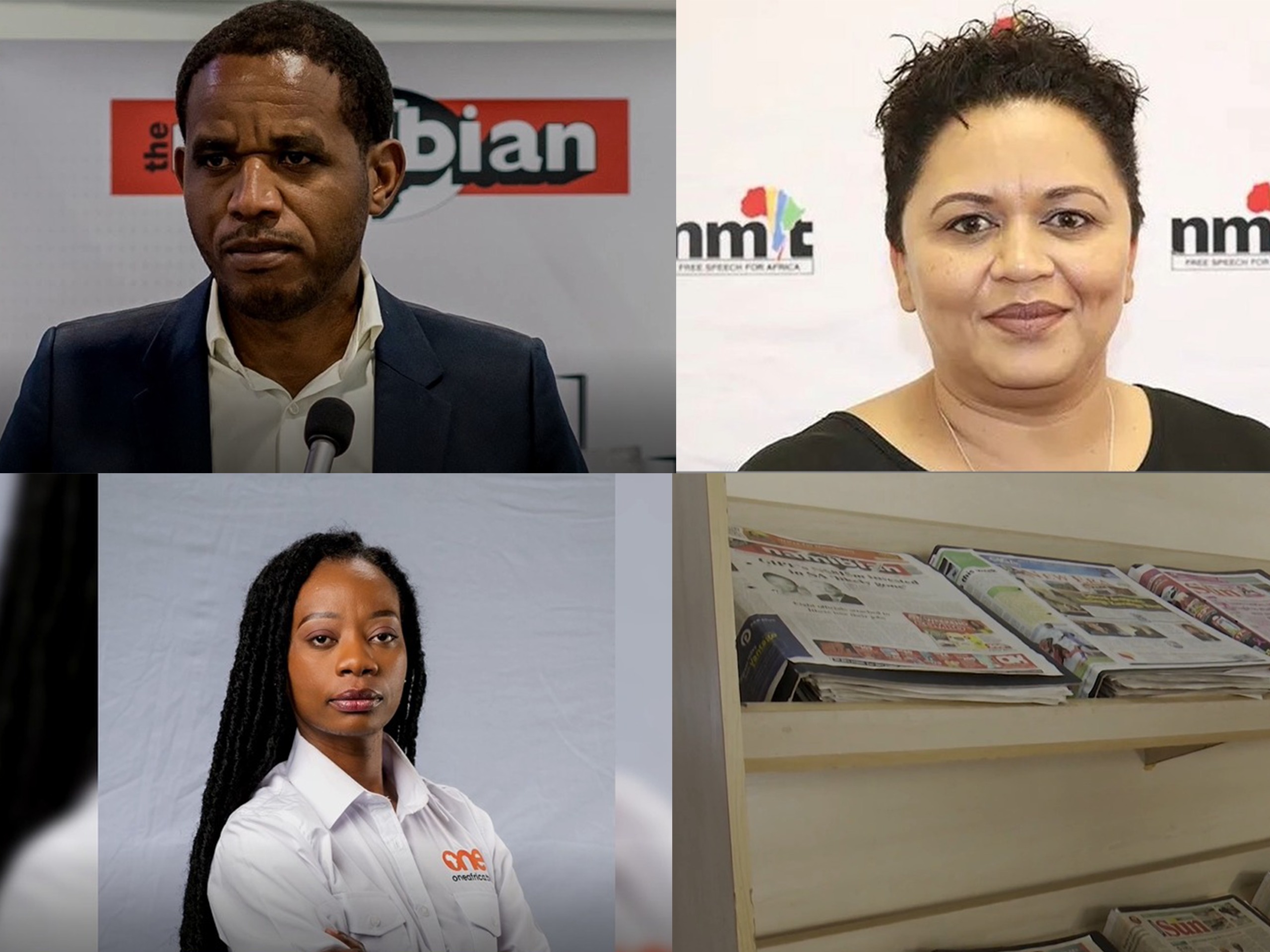
From overcoming colonial rule to achieving self-determination, central to this progress has been a free press, which plays a role in holding power to account.
But journalists say the story is not without challenges. Economic pressure on newsrooms, limited access to public information, and the rise of misinformation on social platforms are shaping how media operates.
NBC News spoke to some editors about the state of press freedom in Namibia.
Press freedom has been a cornerstone of Namibia's democracy, enabling journalists to cover issues without fear.
Yet experts highlight gaps between laws and practice, as well as subtle pressures that continue to affect the media landscape.
Shinovene Immanuel, editor at The Namibian, says pre-planning for Independence Day coverage includes analysis across civil society, political space, and public opinion. 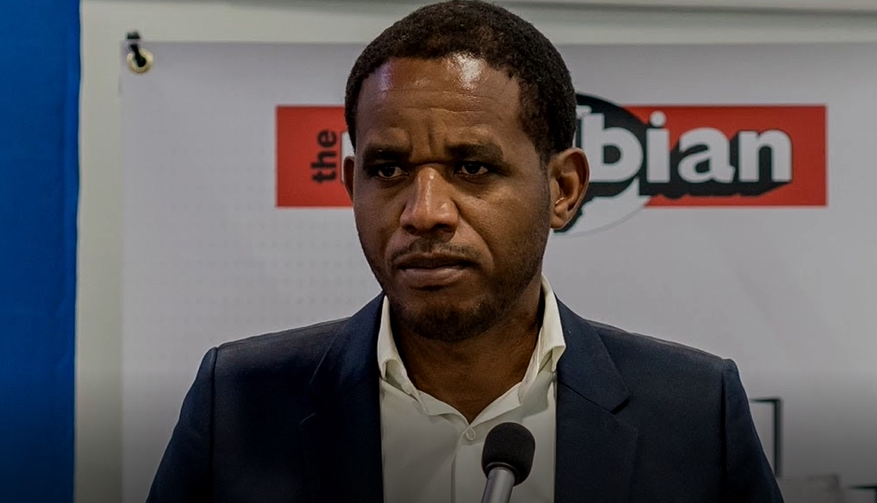
He is of the view that media freedom has been a key pillar of Namibian democracy, allowing journalists to cover topics without fear of retaliation.
"Media freedom is a pillar of our democracy. We can cover important topics without fear, though pressures from government and private advertisers remain. We have not yielded to those pressures, maintaining independence while explaining the role of media in society."
At the same time, Immanuel acknowledged ongoing challenges such as self-censorship, financial independence, and pressures from both government and private sector advertisers.
He asserts that his newsroom has not yielded to such pressures and maintains editorial independence despite occasional financial setbacks.
Zoe Titus, 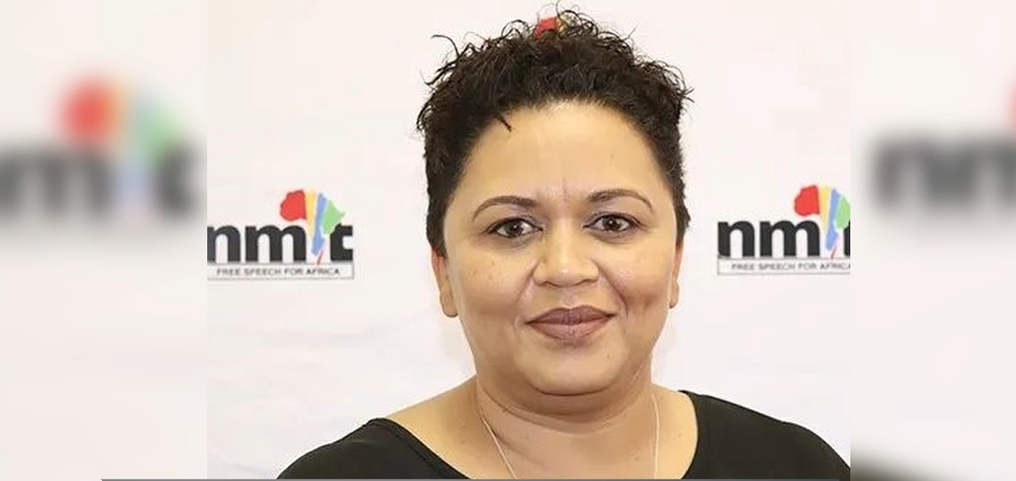 director of the NMT Foundation, described a "slow erosion" in media freedom practices.
She speaks of gaps between laws guaranteeing access to information and the reality journalists face when seeking timely responses from public institutions.
Titus also points to economic pressures on newsrooms, risks of self-censorship, and the spread of misinformation on digital platforms, particularly WhatsApp and social media.
"Stronger implementation of laws and informed public engagement remain key priorities."
Selma Ikela, editor at One Africa, states that Namibia continues to rank high in press freedom indexes. 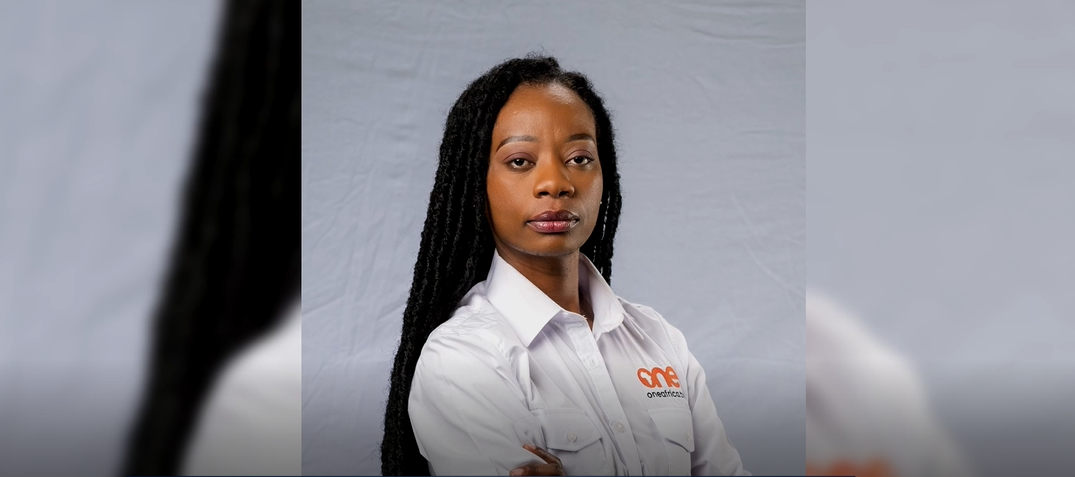
She believes the country remains a safe environment for journalists, with no recorded incidents of journalists being detained, killed or attacked in the course of duty.
Ikela notes, however, that subtle political influence, pressure on state-owned media, and revenue shortfalls remain concerns for media sustainability.
"Namibia ranks 28th globally and second in Africa for press freedom. Journalists are generally safe to report critically."
Press freedom continues to be recognised here and internationally, but journalists say vigilance is required to maintain independence and to subsequently address economic and political pressures while ensuring that the public remains informed in an era of growing misinformation.