


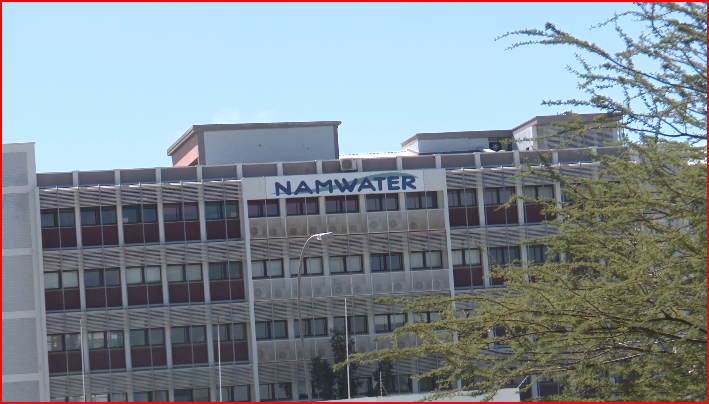
Namibia is facing growing demand for water while its infrastructure is ageing and losing significant volumes through leakage.
Minister of Agriculture, Fisheries, Water and Land Reform, Inge Zaamwani, sounded this alarm at the inauguration of NamWater's newly appointed board.
The board chairperson, Mathy Hauuanga, pledged to prioritise improved water availability, reliability and affordability across both urban and rural communities while ensuring projects are delivered within budget.
"Our mandate over the three years is clear. We must make water available. Currently, it is absolute safety and maintaining the affordability for every Namibian."
NamWater Chief Executive Officer Abraham Nehemia welcomed the new board, saying strong governance is essential for improving service delivery and supporting national development.
"We are going to start with the review soon because in two years' time we should be able to develop another five-year strategic plan. With this one we will need serious guidance from the board. You should be able to give us those strategic ideas that you feel we should really ensure are embedded in the next strategic plan, taking cognisance of where we are and where we are going in terms of the economic development of this country."
Minister Zaamwani stressed that dry climates and worn-out water infrastructure are putting strain on the country's water supply, particularly during the dry season from July.
She also highlighted major infrastructure projects under the board's oversight, including pipeline rehabilitation works, canal upgrades and national water transfer systems aimed at reducing water losses and improving supply reliability.
"We need to come up with a plan that is in line with NAM water credit policy so that we ensure that we are able to collect as much as possible where we can. But we are also mindful of the fact that most of our community members, some of whom are unemployed, live in settlements where water is being supplied."
Almost 90% of the people don't work. And so it's a challenge to try and balance between the socioeconomic requirements. It's the same time also to make sure that the cooperation is sustainable.
Agriculture Deputy Minister Ruthy Masake reiterates that water scarcity remains a major national concern, requiring coordinated effort and long-term planning.
The incoming board members began their three-year term, with a mandate to improve water security and ensure the sustainability of the country's bulk water supply system.