


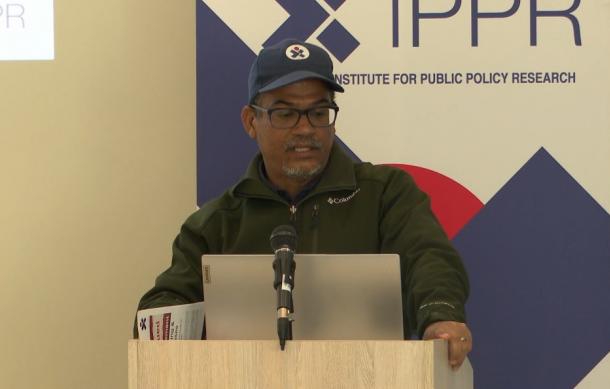
The Institute for Public Policy Research has launched its 32nd Procurement Tracker, zooming on transparency in public spending and slow progress in implementing key anti-corruption reforms.
The institution is calling for accountability and action on long-standing governance gaps.
IPPR's Researcher Frederico Links said many of the procurement challenges being experienced today are not new but part of recurring glitches that have persisted for years.
Links explained that the low compliance rate in the public procurement system highlights persistent transparency challenges, noting that public entities have consistently failed to meet their obligations.
He also stressed the importance of improving transparency through better data systems and the rollout of e-procurement, which he says would help reduce risks of corruption and improve tracking of public spending.
“That speaks to the existing beneficial ownership transparency provisions that fall under the law. We should be passing this law so that it strengthens what's already in existence. We already have rules that are implemented in a questionable way.”
IPPR Executive Director Graham Hopwood said government should strengthen public trust through a comprehensive integrity agenda.
Many of the tools needed to fight corruption already exist, he stated, but are not being fully implemented.
“If you're going to have a comprehensive anti-corruption agenda, there are certain elements that I'll just know from international experience, from international conventions and so on, to be the key aspects or elements of an anti-corruption agenda. So the first one is a public asset declaration system for senior political figures and senior civil servants in the leadership of states and their enterprises. That should be the basic given.”
Hopwood also spoke on transparency in company ownership, particularly in high-risk sectors.
"So, particularly in the extractive industries sector—oil, gas, and mining—the public needs to know who ultimately owns the companies that receive licenses, contracts, and concessions. Hidden ownership structures create fertile ground for conflicts of interest and pro-Semitism. Therefore, we need public registers of beneficial ownership, which are increasingly regarded as international best practice. Unfortunately, we are moving backwards in this area."
He further criticised delays in implementing key laws, including access to information and whistleblower protection, saying these reforms are essential for accountability.