

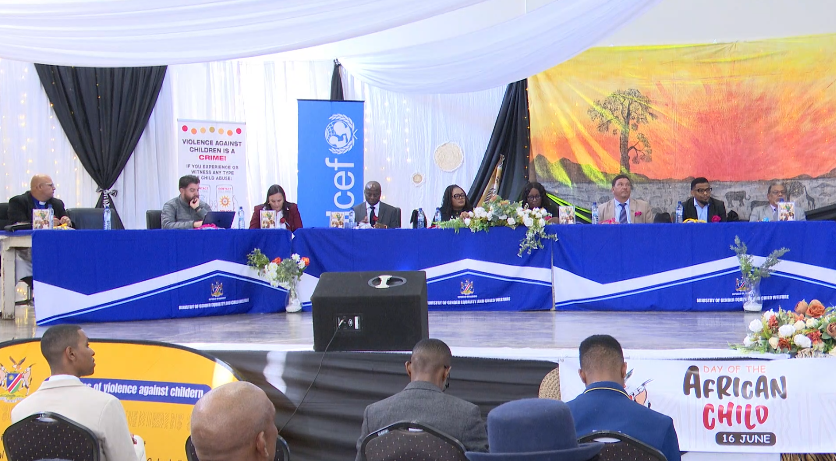
The United Nations Children's Fund representative in Namibia Samuel Ocran has called for renewed efforts to ensure that every child in Namibia has access to safe water, sanitation, and hygiene services.
Speaking during the commemoration of the Day of the African Child in Rehoboth, Ocran reflected on the legacy of the 1976 Soweto Uprising, where thousands of children marched for better education and a better future.
He emphasised that access to water, sanitation, and hygiene may sound like simple services, but for a child it means a healthy start in life, dignity, and safety.
Water, sanitation, and hygiene mean the opportunity to attend school, learn, and grow.
He indicated that a child with safe drinking water is less likely to suffer from preventable diseases, and a child with access to proper sanitation can learn in a healthier and safer environment.
He further stated that good hygiene helps families stay healthy and protects communities from disease.
Ocran says 40% of the population still lacks access to sanitation facilities, and 224 schools do not yet have sanitation facilities.
Unicef says it is a reminder that work is not yet finished, though 91% of the population have access to safe drinking water and 95% of schools in the country.
Two hundred twenty-four schools are yet to be equipped with adequate sanitation services.
Ocran highlighted that children continue to be affected by poverty, impacts of climate change, drought, and rapid urbanisation.