


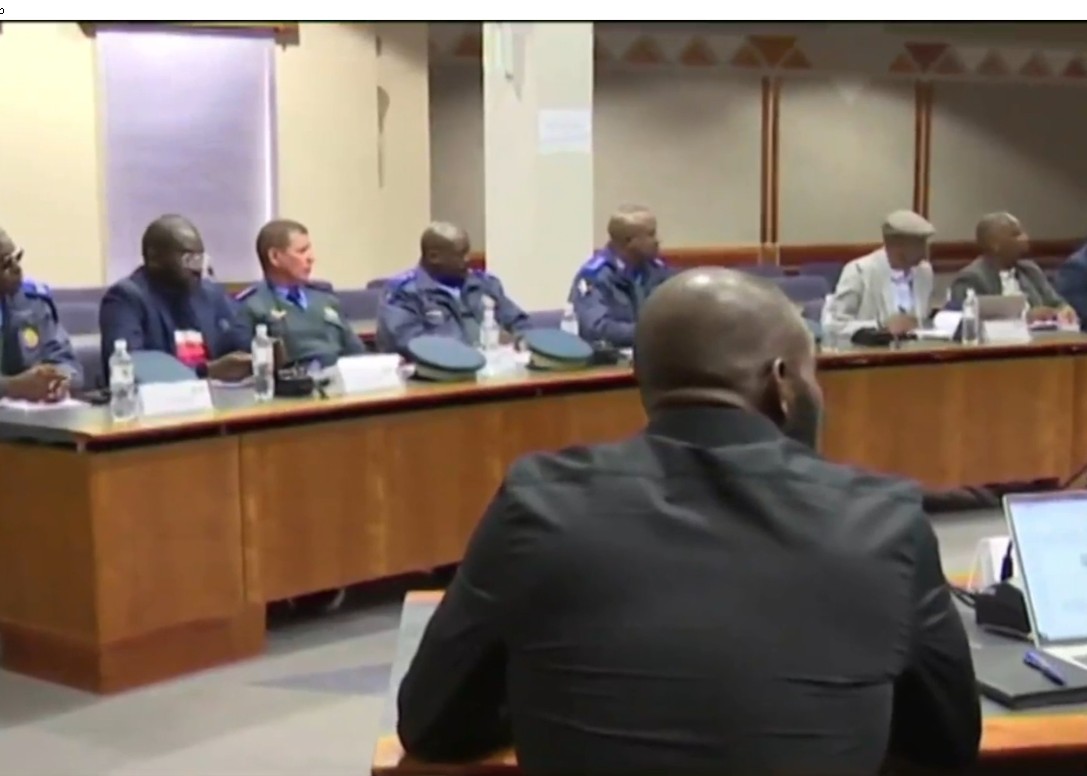
Stakeholders in the road sector met to consult on the urgent need for critical measures to combat the rising road accidents in Namibia.
They consulted on a motion led by the National Council Standing Committee on Transport, Infrastructure and Housing in Windhoek.
All stakeholders agreed that road safety deserves collective attention at the highest levels of policy and decision-making.
The Committee Chairperson of Transport, Infrastructure and Housing, George !Garab stated, "Every road traffic crash has consequences that extend far beyond the scene of the collision. Families lose loved ones, children lose parents, businesses lose productive employees, communities lose future leaders, and the nation bears enormous economic costs through healthcare expenditure, emergency response, infrastructure damage, productivity losses and long-term disability."
He added that the motion therefore provides an opportunity to evaluate whether the current road safety interventions are adequate, whether institutions are sufficiently coordinated and whether additional policy and legislative reforms are required.
The police revealed that as of 28 June this year, 1,394 road crashes were recorded.
This represents a 9,89 percent decrease from the 1,547 accidents reported during the same period last year.
During the same period, 2,383 road injuries and 234 fatalities were recorded.
"If you look at the year-to-date, it all shows a decrease in statistics, but we should not pat ourselves on the chest and say this is good. It's still not acceptable. If you look at the daily fatalities, it amounts to 1.3 persons per day, which is embarrassing on Namibian roads," added Deputy Commissioner Rosario Coetzee, NamPol's Head of Operations Division of Traffic Law Enforcement.
The Traffic Law Enforcement also pointed out some of the challenges they face, such as old legal frameworks, corruption and bribery, outdated administrative systems and the import of substandard tyres and vehicles older than five years and reckless behaviour on the road.
The police proposed solutions, such as amending the Road Traffic and Transport Act to address the current road challenges and road vehicle safety standards.
They also want accreditation of driving schools, compulsory defensive driving training for professional drivers and newly licensed drivers to be placed on 12-month probation.
Other stakeholders such as the Road Fund Administration noted that the growing road maintenance demand exceeds available funding, with a current funding gap of N$2.3 billion.
The Roads Authority pointed out that increased traffic volumes place pressure on existing road infrastructure, while climate-related events increasingly damage road infrastructure.