


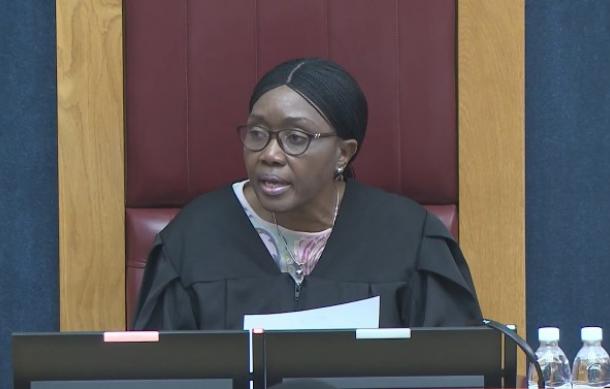
The Speaker of the National Assembly, Saara Kuugongelwa-Amadhila, says current parliamentary procedures require review and amendment to improve efficiency, while a lack of consensus among Members of Parliament contributed to delays in concluding some legislative matters during the Third Session. Several bills, motions, and statutory appointments remained unfinished when the House adjourned for recess, despite repeated calls for MPs to conclude key business.
"The challenge that we are faced with is that if you look at Rule 119, it is preceded by another rule, which is Rule 117, that prescribes the order of the proceedings of the House. It is called the routine of business. That rule says that, on any given day, the proceedings of Parliament must follow a specific order, and it puts questions ahead of the discussion of Bills."
This means questions, motions and ministerial statements take precedence before bills can be debated.
Kuugongelwa-Amdhila said while the presiding officer has some discretion in arranging the Order Paper, changes to the routine of business require the support of at least 75% of members.
The Speaker stated that the inability to reach the required consensus frustrated attempts to prioritise urgent legislation.
"So, if we all agree that passing these Bills should take precedence, we can suspend Rule 117. But we need the support of 75% of the members of parliament. So, this is not a matter for the presiding officer alone. It is a matter for the members. It is interesting that members who decline to support suspending that rule in the House later go out and say it is the Speaker who is causing the delay."