


Namibia has recorded significant progress in financial inclusion, with 86% of adults now financially included, marking an improvement from 78% recorded in 2017.
This was contained in the latest Namibia Financial Inclusion Survey released by the Namibia Statistics Agency (NSA).
The survey shows that more Namibians are accessing formal financial services, with 75.6% owning bank accounts, while 81.5% are served by formal financial institutions.
This reflects continued efforts to expand access to banking and other financial products across the country.
Despite these gains, the survey also highlights persistent economic challenges, as more than 54 per cent of adults earn N$2,000 or less per month.
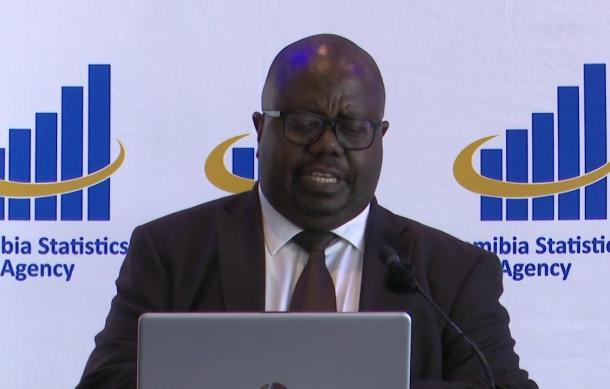
The NSA Statistician-General Alex Shimuafeni, pointed out one of the challenges Namibians experience on a monthly basis.
"We live from one paycheque to the next paycheque; now we ask people how to handle their funds and whether they get it daily, weekly or monthly and if they have it until the next paycheque. The majority say 39.2%; it's rare they make ends meet. Those that say often is 35%."
Household finances also remain under pressure. While the proportion of people struggling to meet financial commitments has improved slightly since 2017, some 63% of the population still finds it difficult to keep up with their financial obligations.
According to the survey, only one in four adults say their income often lasts until the next payday.
The survey found that borrowing has increased, with almost half of adults accessing credit, mainly to buy food, pay for education and cover transport costs, underscoring the ongoing impact of the rising cost of living.
Financial inclusion remains uneven. Rural communities, young people, men and those with lower levels of education continue to face higher levels of financial exclusion.