


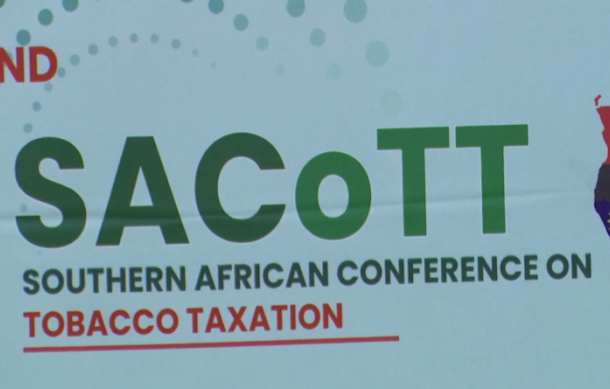
Governments in the Southern Africa region have been urged to strengthen tobacco taxation as a tool to reduce its use and generate revenue for health and social services.
This comes as countries face pressure on public finances, rising non-communicable diseases, and declining external assistance.
The call was made at the Second Southern African Conference on Tobacco Taxation in Windhoek.
The Deputy Minister of Gender Equality and Child Welfare, Linda Mbwale, stated that tobacco taxation provides an opportunity to address both public health and domestic financing challenges.
“Effective tobacco taxation presents governments with a powerful policy instrument capable of delivering multiple benefits at once. It can help reduce tobacco consumption, discourage young people from taking up smoking, protect families, especially women, from the worsening health concerns associated with tobacco use, and generate additional domestic revenue that can support essential public services.”
Mbwale explained that tobacco-related illness also has a gender dimension, with women and children often bearing the consequences when household resources are diverted towards preventable diseases.
Executive Director of the Center for Trade Policy and Development Isaac Mwaipopo said tobacco taxation can simultaneously reduce consumption and provide governments with additional resources for health systems and development.
“Tobacco taxation remains one of the most effective policy tools available to the government when appropriately designed and implemented. Tobacco taxes can contribute towards reducing tobacco consumption while also generating the much-needed revenue for our governments.”
Tax Justice Network Africa, Communications, Campaign, and Outreach Manager Jephiter Tsamwi further highlighted that communities need to understand how tobacco taxation affects their everyday lives.
“How can we effectively communicate with both industries and communities to overcome their resistance? This is essential for transforming the policy resolutions from a conference like this into credible outcomes that communities will recognize and embrace in the key messages.”
A Representative of the African Tobacco Control Alliance, Gloria Gonese, stated that the issue extends beyond taxation, linking tobacco control to healthier populations, stronger health systems, and sustainable development.
“The conversation before us is therefore much bigger than just taxation; it is about creating healthier populations and protecting the future."
The two-day conference is expected to strengthen regional cooperation and identify practical measures to improve tobacco taxation, public health, and domestic resource mobilisation.