


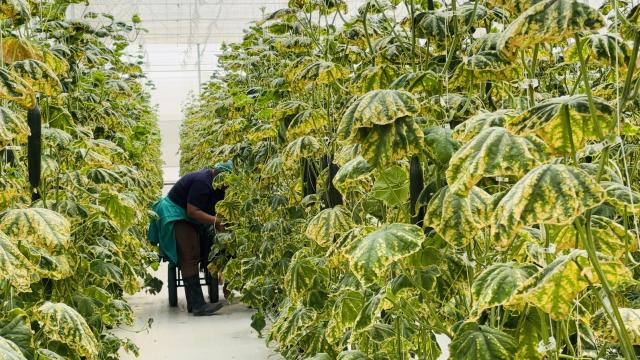
The Dâures Green Hydrogen Village in the Erongo Region is constructing an ammonium sulphate plant, which will produce fertiliser for the local and international markets.
The Dâures Green Hydrogen Village is located about 90 kilometres from Uis.
The village is rolling out an ambitious plan to locally produce synthetic fertilisers by 2026. The aim is to use green hydrogen, which is produced by using solar energy.
Such hydrogen, also known as clean hydrogen, is used to create ammonia, which is a key component of ammonium sulphate fertiliser.
Stakeholders held a groundbreaking ceremony to announce phase 2 of the project, which entails the construction of the fertiliser plant.
Commending the initiative, the Erongo Governor said the project will strengthen Namibia's food security, boost agricultural productivity, and drive export growth.
Natalia |Goagoses further indicated that the project is providing job opportunities and skills transfer for Namibians.
The governor was, however, disappointed that traditional, conservative, and regional leaders failed to attend the groundbreaking ceremony.
"I don't know whether they were invited once again and decided not to be here; this is a milestone event once again, especially for the village that is not only addressing the food security issues but also creating jobs, bringing back the dignity, and changing the livelihoods of our people in this conservancy. But if the very people are not present, I am worried. These are vital shareholders and direct representatives of the people. I'm referring to the chiefs, the conservancy chairperson, and the leaders of the Erongo Regional Council, and their absence is disappointing, and I condemn it, and it should not repeat itself."
The Ministry of Agriculture, Fisheries, Water, and Land Reform stressed that the initiative aligns with national goals by offering practical solutions to challenges of soil fertility.
Julia Nambili, Deputy Director for Crop Research, said, "Namibia's agricultural landscape continues to face increasing pressure from climate variation, persistent drought, and widespread land degradation. This condition has declined soil fertility, reduced water retention, and nutrient losses. The establishment of this phosphate ammonium plant in Daures Green Hydrogen is notable. The plant will make fertiliser more accessible and affordable for Namibian farmers, especially for producers in our rural areas. It also signals the development of a homegrown value chain, creating local jobs, building technical skills, and stimulating innovation in the agricultural and green energy sectors."
Walvis Bay-based NBT Quality Service will construct the fertiliser plant in six months.
"We are going to construct a similar warehouse where the ammonium sulphate will be stored. So we are very excited to be part of this project since it's the first of its kind, and we are very excited since we are going to showcase our skills and also employ people to do skills transfer," said Martha Elias, Project Engineer at NBT Quality Service.