


The Ministry of Information and Communication Technology's (MICT) Director for Print Media Affairs has warned that if nations are not well prepared for the Fourth Industrial Revolution, technologies such as artificial intelligence (AI) could become a danger.
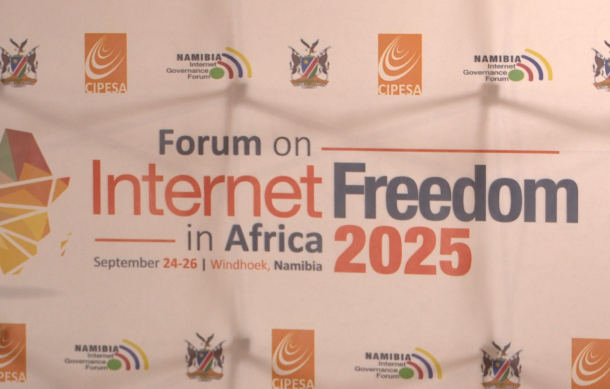
Speaking at the Forum on Internet Freedom in Africa in Windhoek, Frans Nghitila expressed concern that AI tools have the potential to replace human skills, posing risks to employment and the relevance of human labour.
Namibia is working on strategies, including government process re-engineering and digital skills development, to embrace the 4th Industrial Revolution responsibly and avoid potential negative fallout from AI and automation.
These include the draft AI Bill, the Cybercrime Bill, and the Data Protection Bill.
Nghitila emphasised the importance of countries investing in infrastructure, education, and upskilling to harness the benefits of 4IR while mitigating risks, including digital inequalities and societal disruption caused by rapid technological change.
"These developments are all part of a broader digital transformation strategy aimed at modernising governance and managing the risks tied to digital technologies. Ultimately, we are laying the foundation for a digital economy that will serve our people by connecting the unconnected, fostering local innovation, and strengthening trust in digital governance. But this is, of course, not without challenges. Namibia, like other neighbouring countries, must admit and be content with the digital divide, the affordability of services, and the risks posed by misinformation and online harms."
Speakers at the event highlighted the advantages of AI. However, they noted that without proper safeguards, they could increase inequalities, threaten labour rights, and undermine human dignity.