


Kavango East Region recorded over 23,300 cases of malaria, with 23 deaths.
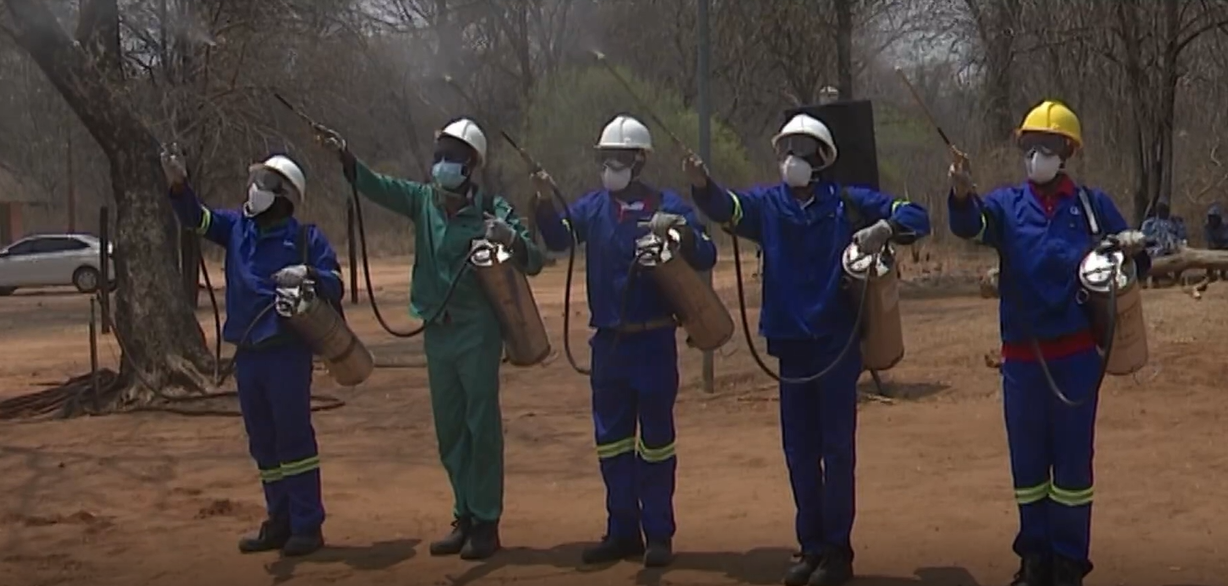
This was shared during the launch of the indoor residual spray at Popa Malaria Camp in the Andara district.
Malaria remains a major public health challenge in Namibia, particularly in the northern regions where transmission is perennial and peaks during the rainy season.
Kavango East' geographic and climatic conditions bordering the Kavango River and experiencing high rainfall create favourable breeding sites for mosquitoes, the primary malaria vectors.
From November 2024 to September 2025, the Kavango East Region recorded 23,331 cases of malaria.
Andara District recorded 13,226 cases with two deaths, making it a hot spot.
The Health Director of the Kavango East Region, Idah Mendai, said, "What is it that we can do to make sure that we prevent malaria from taking the lives of our loved ones? That is why we are launching this indoor residual spraying as one of the backbone programmes which is preventing malaria from biting the community."
This data accounts for a significant proportion of Namibia's malaria burden, and the indoor residual spraying is one of the effective strategies to fight malaria.
"Especially when combined with other interventions such as the distribution of insecticide-treated nets (ITNs), health education, and improved case management. IRS involves the application of long-lasting insecticides on the inner walls of houses to kill mosquitoes that rest indoors, thereby reducing malaria transmission. Together we are aiming to spray at least 85% of targeted structures in our region before the malaria transmission season," remarked Governor of Kavango East Region, Hamunyera Hambyuka.
Fumu Erwin Munika Mbambo of the Hambukushu Traditional Authority called on community leaders to mobilise, educate, and encourage residents to fully participate in the campaign.