


Namibia is moving towards institutionalising the Employment Impact Assessment framework, a tool designed to measure the effectiveness of employment policies, investments, and reforms before and after implementation.
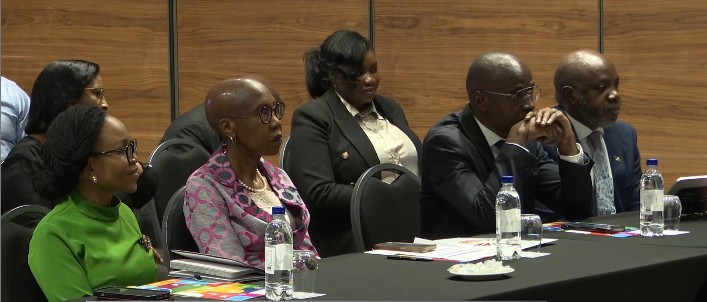
Various stakeholders gathered in Windhoek to address the country's high unemployment rate and explore evidence-based strategies for job creation.
The International Labour Organization's (ILO) Employment Impact Assessment approach uses a combination of qualitative and quantitative tools before implementation and after implementation to evaluate employment outcomes at macro, sectoral, and micro levels.
The assessments cover labour market programmes, sectoral and macro policies, investment projects in infrastructure, and legislative reforms.
Minister of Justice and Labour Relations Wise Immanuel emphasised the need for fair wages, gender equality, and decency in employment.
Immanuel noted that Namibia must not only develop reports but also "institutionalise" these assessments for long-term impact.
ILO Country Office Director Philile Masuku from Zimbabwe echoed similar sentiments, highlighting that the assessment framework will help ensure Namibia's employment policies remain evidence-based and inclusive.
United Nations Resident Coordinator for Namibia, Hopolang Phororo, reaffirmed the UN's commitment to supporting Namibia's efforts in strengthening fair employment systems that align with the NDP6.
The move is expected to enhance Namibia's capacity to design, monitor, and evaluate labour and social policies that create equitable and decent work opportunities across all sectors.