


Trade tariffs imposed by the United States are negatively affecting Namibia's export earnings, having disrupted established value chains and decreasing competitiveness in traded goods.
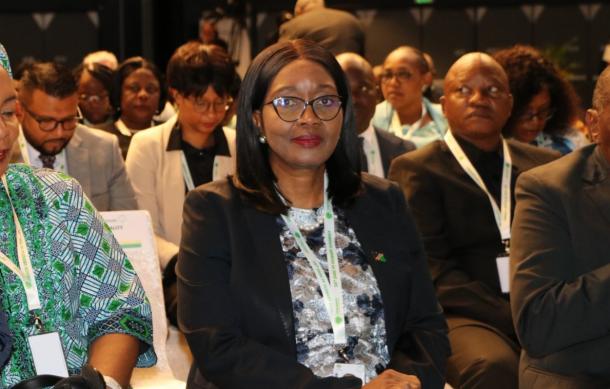
Speaker of the National Assembly, Saara Kuugongelwa-Amadhila, said Namibia is bracing to diversify its trade routes through the Africa Continental Free Trade Area to mitigate the potential external shocks.
"By leveraging tariff concessions and expanding intra-African trade, we can diversify markets, strengthen resilience, and reduce dependence on external shocks by so doing. Parliaments need to ensure the domestication of the free trade agreement protocols, the alignment of national legislation, and the readiness of local producers to compete in continental markets as well as routes of origin for this opportunity to yield results."
The speaker further stated that the mining sector is significantly expanding, with particular focus on critical minerals, following the government's restriction on the export of raw minerals – to promote local skills development and industrial diversification.
"The government aims to use critical minerals to drive industrialisation and create value-added industries. Namibia recognises the growing importance of critical minerals in global supply chains. Our approach is guided by national priorities rather than external demand. The government has a duty to ensure that critical strategic minerals advance local value addition, job creation, and economic diversification."
Kuugongelwa-Amadhila said Namibia is in the process of developing its local content framework, though early-stage implementation has begun.
She said such a policy is vital to ensure that communities and local businesses benefit meaningfully from mining activities through procurement, employment, skills transfer, and community development obligations.