


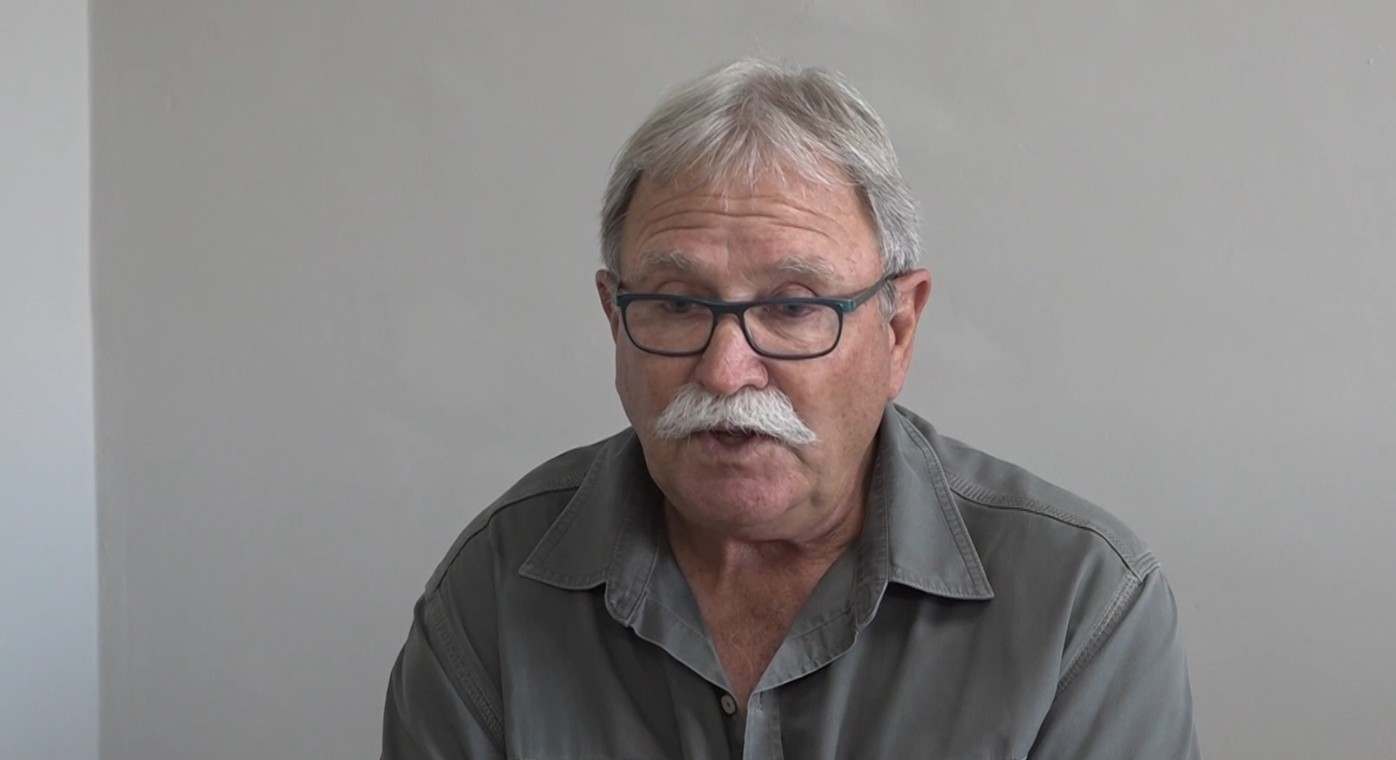
The Luderitz-based Lagoon Aquaculture, founded in 2015, has grown over the years into a cross-border industry, now exporting live oysters, scallops, and rock lobsters.
Its export destination includes South Africa and Asian markets.
Recalling the humble beginnings, Lagoon Aquaculture owner Gerd Kessler said he began cultivating Pacific oysters on offshore longlines and rafts.
He told NBC News that sustained investment of approximately N$12 million over years has transformed the business from a small oyster-holding for Walvis Bay-based companies into a thriving exporter of live aquatic species to international markets.
The said investment was used to establish a water recirculation system and a factory.
Kessler co-owns the mariculture project with the owner of Fermar Seafoods CC, Jose Fernandez.
"We inaugurated the factory late last year, so for one year we have been preparing the shell with a lot of pools and dams and a recirculation system. Simply a live holding facility. These dams do not flow through; this means it is not a facility where we pump a lot of water through the facility to have good-quality fresh oxygenated water for animals that live in it. But it is like an aquarium."
The recirculation system is designed to remove proteins, solids and liquid waste from the pools and dams where the aquatic animals are kept.
Kesslers said exporting aquatic products to the European Union market remains a challenge.
"I don't think that in terms of aquaculture that our ministry is ready yet because there have to be certain rules and regulations agreed to and agreements signed. So, we are not there yet."
Kessler revealed he is preparing to retire from the mariculture business.
The operations manager, Kirsten Metzger, explained that the rock lobsters caught by vessels are immediately ready for export after being transferred into the pools.
"From here we put them in our chiller; we bring it down to five degrees Celsius before we pack for export into the boxes, so we can immediately export them once we receive them, but we can also keep them for as long as we want."
The mariculture project has employed 40 workers.