


A magistrate found the evidence of one accused in the alleged multi-million-dollar Namcor corruption case to be truthful but ordered that she remain behind bars.
His ruling is now under challenge in an appeal filed on behalf of Olivia Dunaiski, after Magistrate Linus Samunzala denied her bail in September last year.
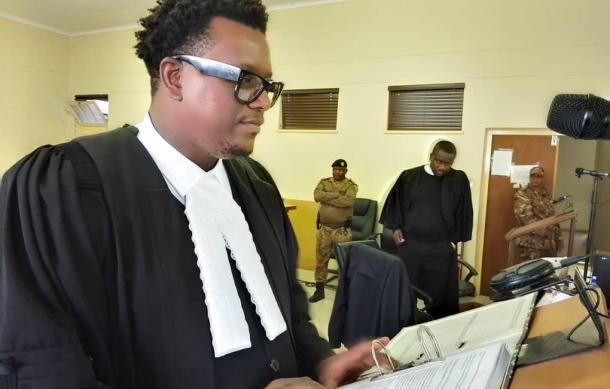
In the appeal, lawyer Gilroy Kasper argues that the magistrate relied heavily on the testimony of Anti-Corruption Commission chief investigator Oberty Inambao, despite what he describes as clear bias and failures in Inambao's investigation.
According to the appeal papers, Kasper says Inambao admitted under cross-examination that he was in court to oppose bail and that he failed to question Dunaiski during his investigation to obtain her version, even though he had the power to do so.
Kasper further claims that Inambao withheld information during cross-examination and showed hostility toward his client, arguments that should have reduced the weight placed on Inambao's testimony.
Despite this, the magistrate accepted Inambao’s views, including his claim that the accused might flee or interfere with investigations, the appeal states.
Kasper also disputes the magistrate’s finding that the accused contradicted herself, lied, or made concessions, arguing that the judgement does not explain what those concessions were.
The appeal notes that the magistrate found Dunaiski to be the only applicant who was truthful and that there was only a low risk she would interfere with investigations, influence witnesses, or abscond. Despite these findings, bail was refused.
Kasper says the magistrate failed to consider the impact of continued detention on Dunaiski’s ability to prepare for trial.
He states that keeping an accused person in custody before trial should not amount to punishment.
Dunaiski, along with Peter and Malakia Elindi, Jennifer Hamukwaya, and Leo Nandago, have filed appeals at the Windhoek High Court.
Their appeals will be heard on 14 January by High Court Judges Philanda Christian and Eileen Rakow.