


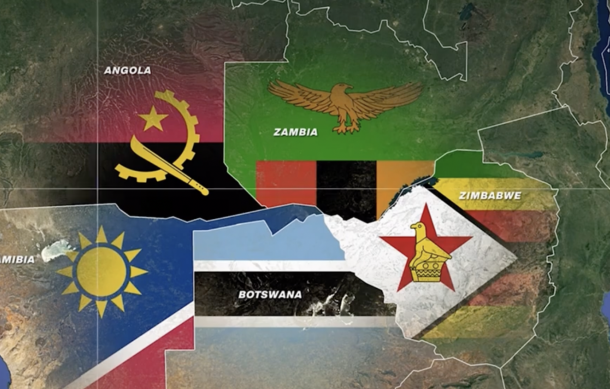
Member states within the Kavango-Zambezi Transfrontier Conservation Area (KAZA TFCA) have set their eyes on increasing the value of their natural infrastructure for conservation and sustainability purposes.
KAZA is the world's largest land-based transboundary conservation area that spans parts of Angola, Botswana, Namibia, Zambia, and Zimbabwe.
KAZA has got extensive woodlands, grasslands, and wetlands that provide critical habitat for lions, wild dogs, and the planet's largest population of savanna elephants to move across borders and between conservation areas.
Flowing through this region are KAZA's three main rivers, the Zambezi, Kwando, and Okavango, which support critical habitats that KAZA's people and wildlife depend upon.
It is against this backdrop that Angola, Botswana, Namibia, Zambia, and Zimbabwe have set their eyes on appreciating the value of their natural resources for the benefit of their people.
Dr Nyambe Nyambe is the Executive Director of the KAZA Secretariat.
"The Kavango-Zambezi Transfrontier Conservation Area was founded on the basis of ensuring conservation and tourism coexistence, and that, of course, with communities being the important beneficiaries, basically people benefiting from well-managed ecosystems, biodiversity and species. Doing so has got a lot of benefits, and that is what the partner states have been setting their eyes on. It is things like good or sustainable forest ecosystems with various socio-economic goods and services they are associated with. It is things like wetlands, which help us to produce various goods and services, including building resilience to climate change."
Namibia has contributed 14% of its ecological land to the conservation area, while Botswana is the greatest contributor at 40%, followed by Zimbabwe, Angola, and Zambia.
Established in 2011, the conservation area is a collaborative conservation effort encompassing Angola, Botswana, Namibia, Zambia, and Zimbabwe, spanning approximately 520 000 square kilometres.