


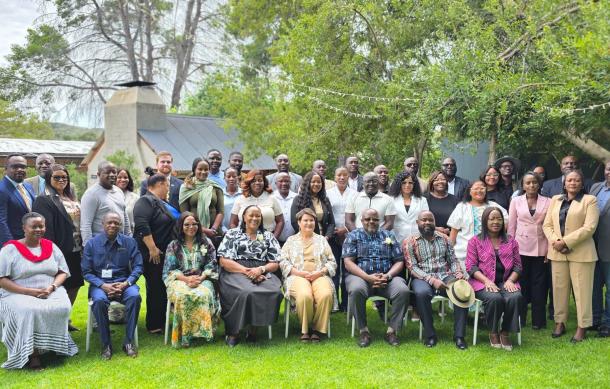
The Business and Intellectual Property Authority (BIPA) has engaged Members of Parliament (MPs) on the developed copyright legal framework and its impact on the cultural and creative industry and economy.
BIPA is facilitating the new Bill that is expected to be tabled in Parliament soon.
Sentiments were shared that cultural and creative industries is not just a hobby but economic activities; therefore, there is a need to create a conducive environment for them to thrive.
The copyright bill aims to close the gaps and allow creatives to benefit from their work and the protection of their work.
MPs had an opportunity to have an understanding of the bill before it reached parliament for further
BIPA's spokesperson Romancia Shoonga explained.
"This is a strong commitment to empowering Namibian creatives by ensuring that every artist, innovator, and creator formally registers their intellectual property. The goal is to help them protect the “creation of their heart” and be able to earn a sustainable living from the creative arts. Parliamentarians and cabinet members are attending the current session to review and discuss key issues that have been raised. These include areas needing clarification or further explanation to ensure that the proposed act effectively serves all stakeholders and addresses shortcomings identified in the previous law. Overall, the session aims to refine the legislation so it fully supports and protects Namibia’s creative community."
The new aspects of the bill include new economic mechanisms, support for creators' income, improved rights administration, and a strengthened enforcement framework.
The economic impact includes seeing the creative industry as an economic sector that will contribute to the country's Gross Domestic Product (GDP) and unlock commercial potential.
The Deputy Minister of the Ministry of Industries, Mines and Energy, Gaudentia Kröhne also shared her sentiments.
“The question before us is this: how can the law be positioned to unlock this intangible wealth? We can all agree that, for the creative sector to truly thrive, it requires a strong and enabling intellectual property environment - one supported by purposeful institutions and modern legal reforms. When that foundation is in place, creative activity moves from the margins to the mainstream of the economy. It shifts from informal survival to sustainable livelihoods, and it allows creators, wherever they are in the country, to participate meaningfully in national, regional, and global markets.”|
The engagement, themed 'Growing the Local Creative Industry to Grow the Economy Through a Balanced and Effective Copyright Legal System,' also featured a panel discussion with diverse experts from the creative industry.
MPs recognised the urgent need to prioritise the creative industry and create an enabling environment for it to thrive economically.
However, they called for further deliberations on the bill to ensure it is inclusive.