


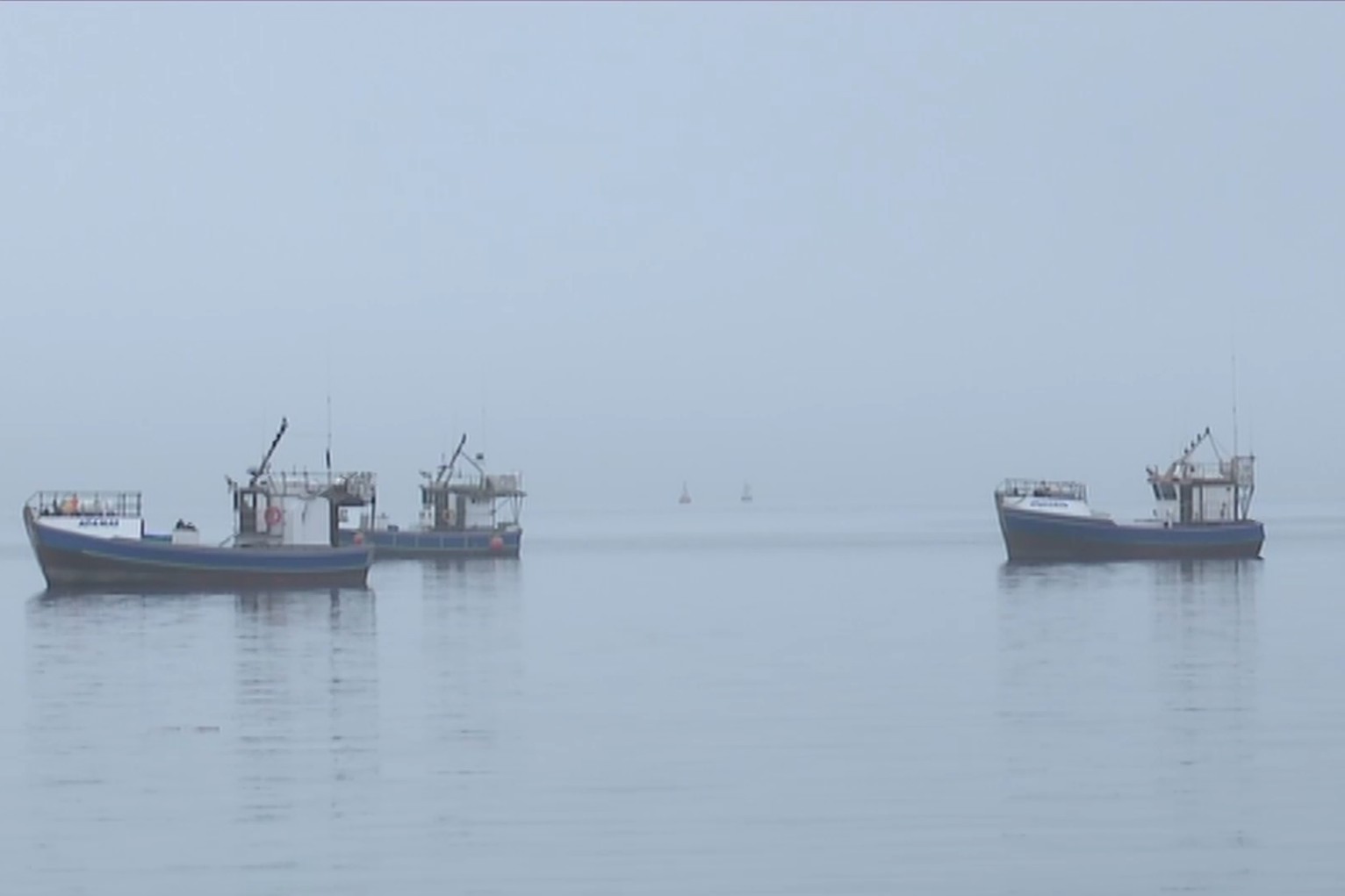
Regional experts warn that Namibia's outdated laws and weak penalties are making it harder to deter offenders in the fight against illegal fishing in the ocean.
Fisheries inspectors from Walvis Bay and Lüderitz have completed a three-day training workshop aimed at tightening port controls and improving enforcement.
The training, held in Walvis Bay, was led by the Southern African Development Community Monitoring, Control and Surveillance Coordination Centre (SADC-MCSCC), together with Stop Illegal Fishing.
"It's increasingly becoming important for Namibia to safeguard which vessels come into port and the risks that law enforcement officials need to assess before they provide access," said SADC-MCSCC Technical Committee Chairperson Stanley Ndara.
Under international port state measures, vessels suspected of illegal activity can be denied entry, cutting off fuel, supplies, and landing opportunities.
However, Dr. Ndara stressed that a major challenge is building strong court cases when it comes to illegal activities.
"There is a critical outcome based on the feedback from participants, and that is the issue of gathering evidence. So we will go back to the drawing board and assess how we can roll out further training to participants on how to properly gather evidence."
Another concern is outdated legislation and fines that experts say are simply too low to deter repeat offenders.
Erik Per-Bergh, the Coordinator for Stop Illegal Fishing, explained that "You cannot violate the law and just pay a little bit, because then it becomes a business expense. The fines must have deterrent value. It doesn't stop people from doing it, because the fine is too small. It doesn't have any impact. So this is really important to look into."
Hailing regional cooperation as a success, Dr. Ndara noted that information sharing between Southern and West African states has uncovered forged fishing documents and led to the prosecution of vessels operating illegally.
"There is a monitoring, control and surveillance centre that we are setting up in Maputo. That centre will serve as a catalyst for the region. If a fishing vessel is spotted operating illegally or moving into certain waters, countries alert each other. That regional collaboration is key. MCS is quite expensive; you need to collaborate to be effective. Otherwise, you will not be able to manage it on your own."
The experts stressed that a full review of fisheries legislation is now urgent, with calls for heavier fines and stricter penalties.