


Telecom Namibia has warned that the escalating copper theft is threatening critical telecommunications infrastructure and putting lives at risk, calling for stronger law enforcement and government intervention.
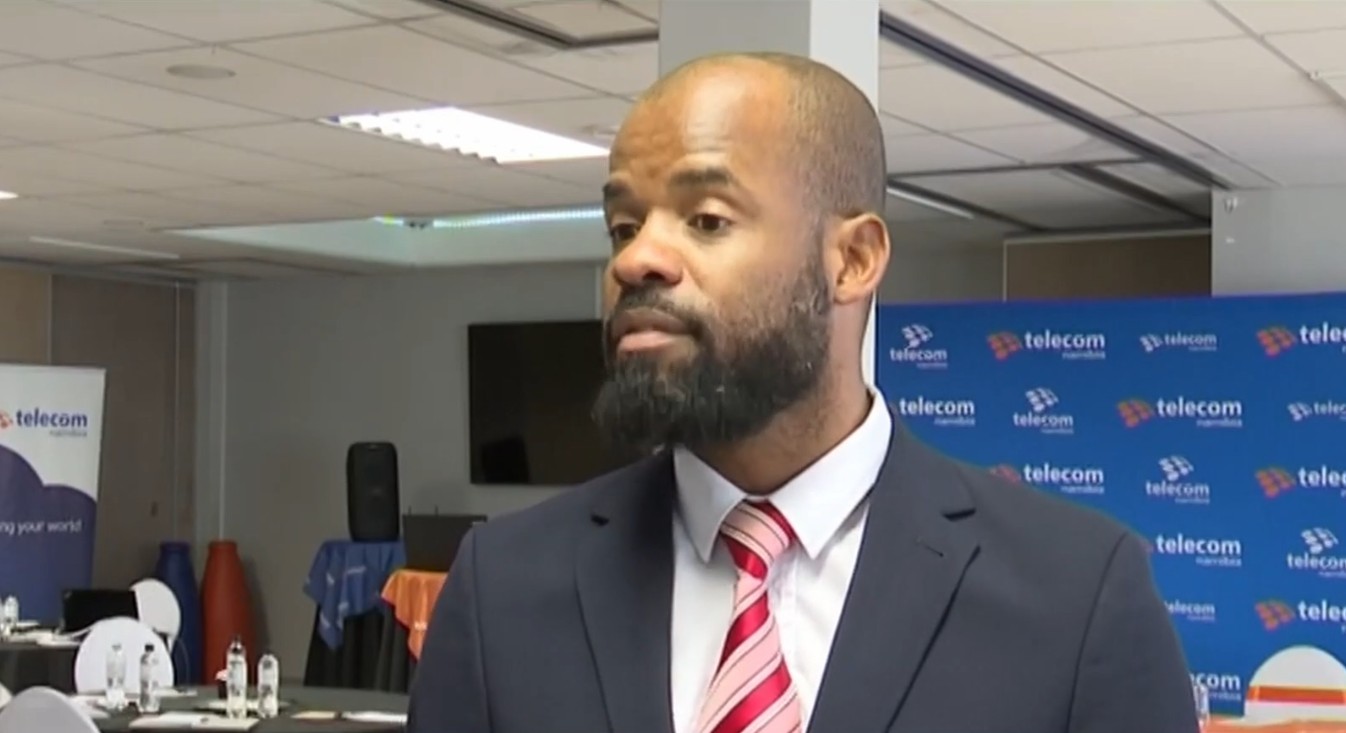
Telecom Namibia Chief Executive Officer Stanley Shanapinda, during a strategic engagement meeting between the Ministry of Information and Communication Technology (MICT), Telecom Namibia and PowerCom (Pty) Ltd on Monday, said copper theft has become a national crisis, with increasing incidents of vandalism disrupting services and endangering workers.
“As long as second-hand dealers are buying copper, there will always be instances of copper theft,” he said, adding that the company is engaging authorities to tighten regulation and enforcement.
He revealed that criminals are becoming more aggressive, with one recent incident involving a security guard who was allegedly shot at while protecting a site in Windhoek’s Katutura area.
“Even if we do have guards around it, now their lives are also at risk,” he said.
Shanapinda noted that the theft of copper cables continues to undermine network reliability, affecting service delivery despite growing demand for connectivity across the country.
According to the Communications Act, offenders face up to 15 years' imprisonment or a fine of N. dollars 1 million, yet incidents persist.
Telecom Namibia has since launched an internal initiative, #ProjectPenduka, aimed at working with law enforcement agencies to address the issue through investigations and coordinated responses.
The company is also calling for ministerial engagement with the Ministry of Home Affairs, Immigration, Safety and Security to strengthen the regulation of scrap metal dealers, including both announced and unannounced inspections.
Meanwhile, Shanapinda said the demand for telecom services remains high, but infrastructure limitations heightened by vandalism continue to hinder expansion and service delivery.
The meeting, attended by ICT Minister Emma Theofelus, also focused on sector challenges, infrastructure development and collaboration between state-owned entities.