


The Ministry of Health and Social Services in the Zambezi Region is preparing for a potential increase in the number of flood-affected individuals, estimating up to 23,665 people under a worst-case scenario.
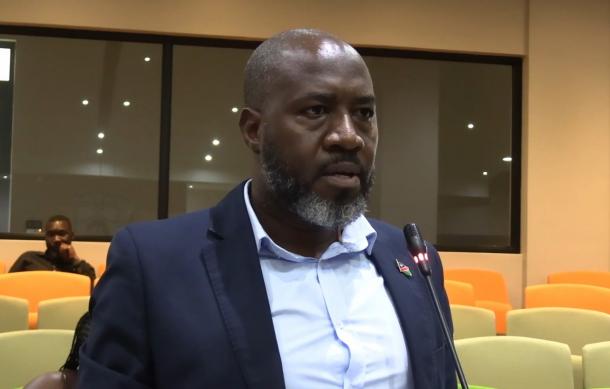
The Zambezi Health Director, Woita Kapumburu, said the response prioritises vulnerable groups, including children under five, those under 15, and expectant mothers.
Planning is based on populations from identified flood-affected villages.
"Based on these conditions, we have also assessed our medication supplies to ensure that they can meet the needs of both flood victims and the daily patients who visit our health facilities. We have identified gaps and are working to ensure we have enough commodities to meet all our needs."
Nurses have been temporarily stationed in the affected areas of Muzi and Nankutwe.
However, one of the biggest challenges is the lack of transport, as the region requires at least six 4x4 vehicles and two additional boats to complement the one currently stationed at Impalila Island.
The ministry has also distributed a consignment of water purification sachets to affected communities, with more expected to arrive.
They are further exploring ways to strengthen support through outreach teams currently stationed in the western parts of the region, where the majority of malaria cases are being reported.
Meanwhile, flood-affected residents and regional councillors continue to raise concerns over the shortage of mosquito nets amid a surge in malaria cases.
Rising water levels and flash floods have exacerbated the outbreak, displacing many people to areas still near open water.
"Currently, we are struggling with malaria, having reported over 12,000 cases; we have four teams being deployed to address this issue, which has made it challenging to align our staff members. However, we recognise that the flood situation is becoming very serious, so we will sit down to realign our efforts and determine how to respond effectively," said Kapumburu.
So far, 2,000 mosquito nets have been distributed to affected communities, while 10,000 nets from an earlier consignment have been reserved for the ongoing malaria response.
Kapumburu said at least 15,000 mosquito nets are needed to adequately cover affected communities, as cases are expected to rise as water levels rise.
The region has so far recorded 12,000 malaria cases.