


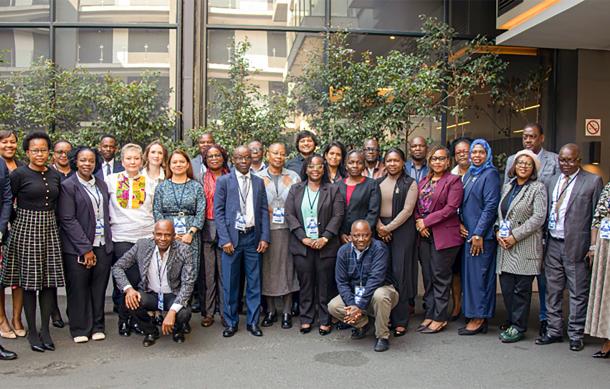
The Southern African Development Community (SADC) member states have reaffirmed their commitment towards creating a harmonised regulatory framework aimed at dealing with malnutrition in the region.
This was strengthened at a recent meeting in Johannesburg; the monitoring framework is for Commercially Produced Complementary Foods (CPCF) for children aged 6 months to 3 years.
According to the United Nations Children's Fund, or UNICEF, approximately 23 million children suffer from stunting and about 49 million experience child food poverty in the SADC region.
SADC spokesperson Barbara Lopi said harmonised standards are intended to ensure that complementary foods are safe, nutritionally adequate, properly labelled, and supportive of breastfeeding.
With guidance from the World Health Organization (WHO), Lopi said the initiative aims to address malnutrition in the region.
"The proposed standards will also help prevent risks associated with poor product composition, misleading marketing and health claims, and inconsistent regulations across countries. They are being developed in line with guidance from the World Health Organization and the Codex Alimentarius Commission."
According to the 2025 edition of The State of Food Security and Nutrition in the World, child wasting, stunting, and inadequate dietary diversity remain a critical concern in the SADC region.