


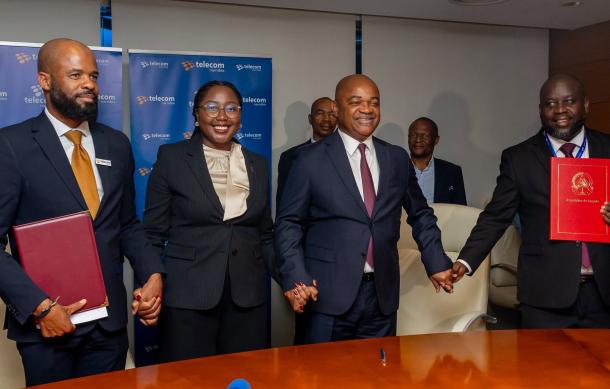
Telecom Namibia signed two strategic agreements with Angolan partners at ANGOTIC 2026, aimed at expanding broadband access, improving network resilience, and accelerating digital transformation across the region.
The first agreement was signed between Telecom Namibia and Angola's National Space Program Management Office (GGPEN).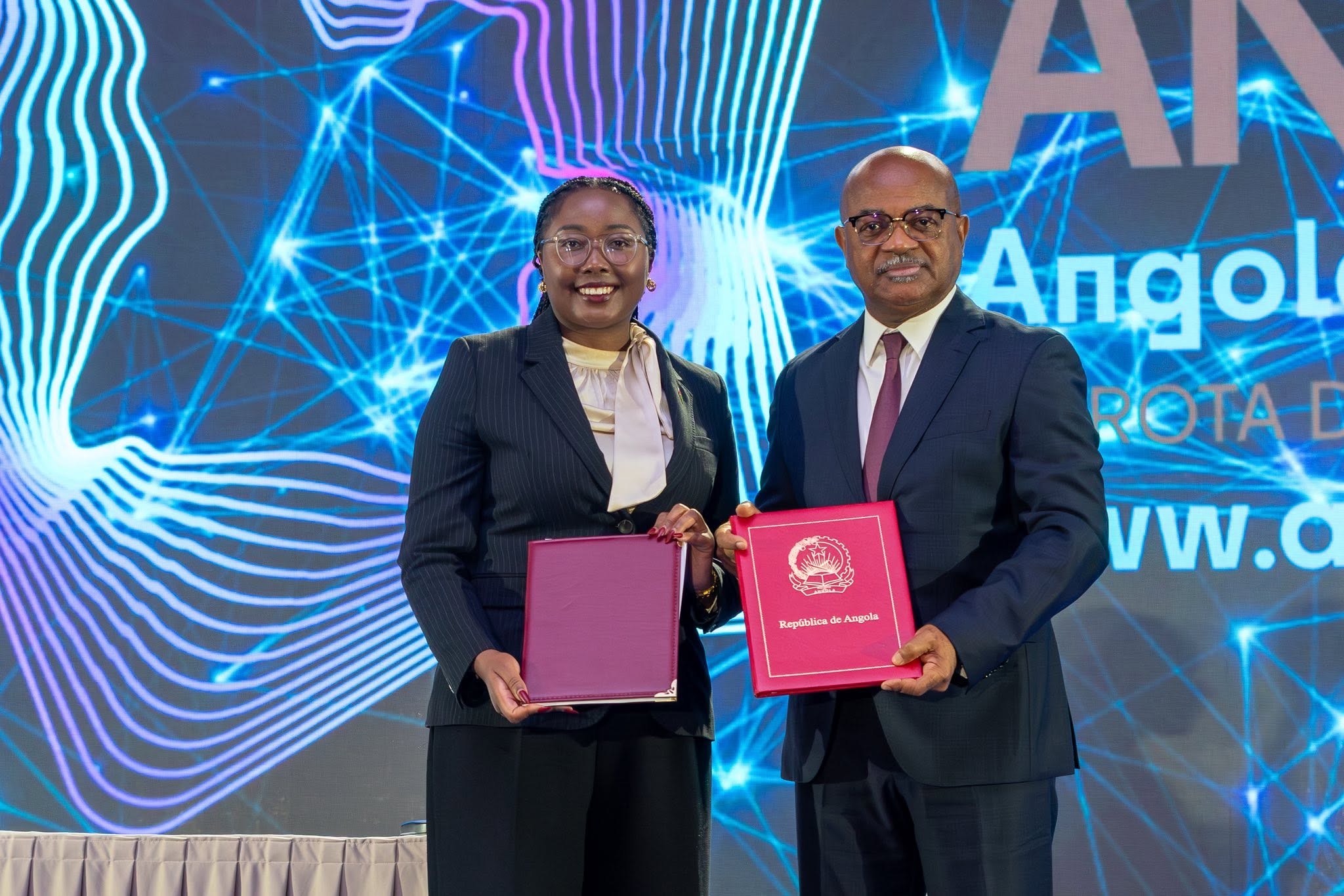
The partnership will explore the use of the Angosat-2 satellite platform as a future VSAT solution for Namibia, particularly in remote and underserved areas where fiber and wireless connectivity remain limited or costly to deploy.
The project forms part of ongoing efforts to bridge the digital divide and improve access to internet and communication services in rural communities.
CEO of Telecom Namibia Dr. Stanley Shanapinda explained.
“We know that our customers in rural areas want faster satellite services and affordable satellite services. The whole country has been asking for it. This agreement that we've signed with GGPay allows us to make that offering to our customers. We will be running a second phase of our pilot. This will be a commercial pilot within the next two months, after which we will be looking at developing those products that we can send out to the market.”
A second agreement was signed between Telecom Namibia and Angola Telecom, building on discussions initiated during previous editions of ANGOTIC.
The agreement forms part of a broader cooperation framework established in April this year and focuses on strengthening telecommunications infrastructure and cross-border connectivity between the two countries.
Under this agreement, Angola Telecom will utilise an initial dedicated transmission capacity of one terabit per second on Telecom Namibia's Equiano submarine cable landing station in Swakopmund.
The partnership will also support the integration of the Southern African Regional Submarine System, creating a high-capacity digital corridor aimed at improving internet traffic routes and network redundancy across the region.
The collaboration was witnessed by Namibia's Minister of Information and Communication Technology, Emma Theofelus, and Angola's Minister of Telecommunications, Information Technologies, and Social Communication, Mário Oliveira.