

Namibians are taking on billions of dollars in loans just to survive, prompting Parliament to scrutinise whether existing laws adequately protect customers from exploitative lending practices.
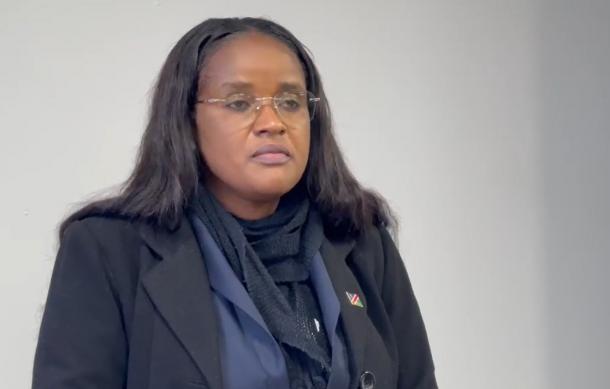
Speaking at a public hearing held at Swakopmund, Deputy Chairperson of the Parliamentary Standing Committee on Economy and Industry, Administration and Planning, Hilma Iita, revealed that micro lenders issued more than N$1.5 billion in loans in the first quarter of 2025 alone.
The figures follow a 45% increase in loans issued by micro lenders in 2024, when lending reached N$5.2 billion.
Iita said the figures reflect a growing debt burden among Namibians, with many borrowing not for investment but to cover basic needs such as food, rent and school fees.
She warned that excessive indebtedness can erode household stability, productivity and the broader economy.
"Namibia is a constitutional democracy built on human dignity, equality and social justice. It is therefore unacceptable that our citizens, especially the most vulnerable, are being trapped in cycles of debt that erode their dignity and destabilise their livelihood."
Deputy Director for Rural Services, Leena Daniel, said the engagement provides residents with an opportunity to raise concerns about household indebtedness, interest rates, lending practices and the effectiveness of existing regulations.
"Access to credit can provide individuals and families with opportunities to meet essential needs, respond to emergencies and pursue economic opportunities. However, lending practices that place borrowers under excessive financial pressure can have far-reaching consequences for households and communities."
Attendees had this to say.
"In my opinion we have a big problem all over the world with the illegal lenders; they need to be found or registered. If we are saying N$five billion a year, I am telling you the illegal lenders are giving away more than every month."
"Sometimes some of them are suffering from depression, and they have to be taken to a rehabilitation centre. When they go, they go with the aim of rehab but come back to the same problem, and that also has an impact on the work performance of that employee."
"Normally it's the basic needs that everybody has. You need to have a house, you need to have food, and you need to have water, electricity, and clothes. Now if those basic needs cannot be met by your salary, that's why the people are going over to the micro lenders previously."
The public hearing is examining whether current law protects Namibians from exploitation by informal money lenders, including concerns around interest rates, fees, repayment terms, debt collection practices and consumer protection.