


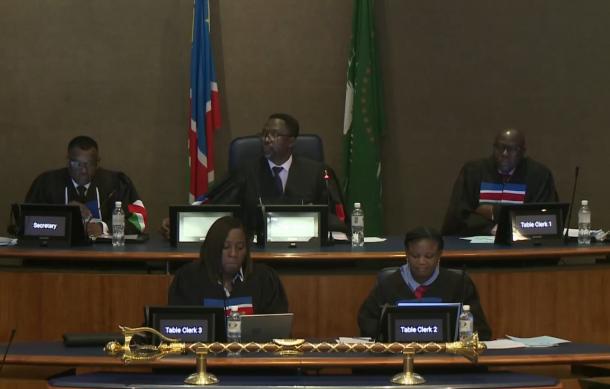
The Chairperson of the Standing Committee on Transport, Infrastructure and Housing, George !Garab said road accidents have reached a point where they can no longer be treated as an ordinary transport challenge, as they constitute a national public health, social, economic, and development crisis.
Based on data from the Motor Vehicle Accident Fund, the country has recorded close to 2,000 crashes with over 300 fatalities since January.
Tabling the report of the Standing Committee on its public hearings and engagements with stakeholders across all 14 regions, !Garab said Namibia is facing structural weaknesses in its road safety system, calling on the government to adopt a safe system approach in which it works to prevent fatalities and serious injuries.
He stated that the committee also learned about the shortages of traffic personnel, patrol vehicles, speed detection equipment, breathalysers, and other motor enforcement technology.
"Their situation needs to change for us to prevent loss of lives on our roads. We cannot expect a limited number of traffic officers operating with inadequate vehicles and equipment to police thousands of kilometres of national roads effectively and efficiently. The committee therefore recommends the establishment of the integrated system that brings the relevant traffic enforcement functions together and eliminates the current experience of institutions operating in silos."
The committee also recommended that the testing requirements for C1 and B driver's licences be reviewed and appropriately harmonised to ensure that all drivers meet consistent and adequate competency standards.