


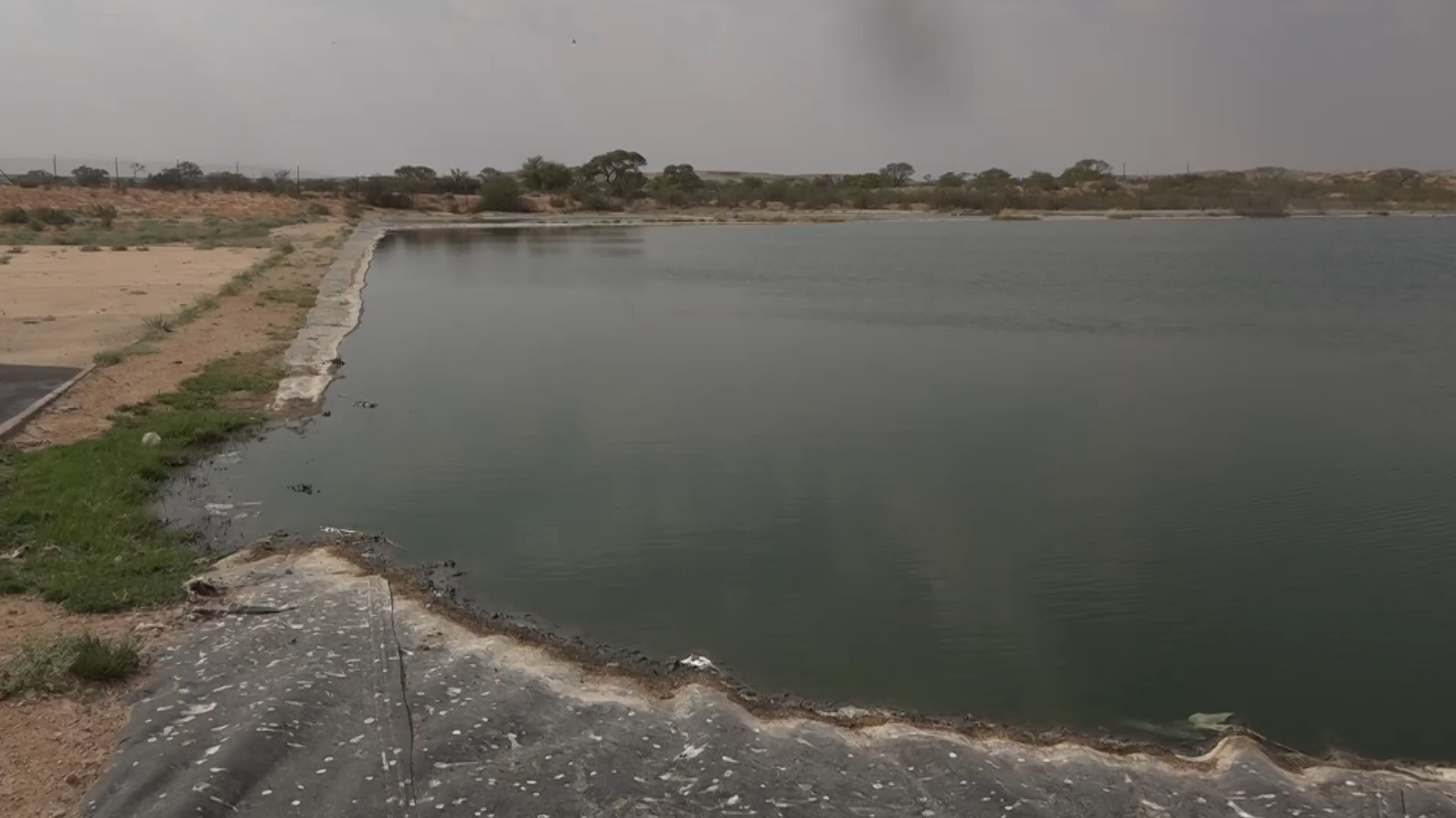
The wastewater infrastructure in Koës Village is facing severe strain, with the oxidation ponds on the brink of overflowing and contaminating underground water.
This was revealed by the Koes Village Council Acting CEO Johannes Brand during the council's engagement with the Governor of ||Kharas Region.
The governor was on a visit to Koes as part of his regional tour across constituencies, aimed to enhance service delivery and foster trust and confidence in government.
Briefing Governor Gertze on capital projects and development challenges, the acting CEO Johannes Brand indicated the council is unable to develop new wastewater infrastructure due to financial constraints.
"There is a potential risk to the residents and environment if the ponds start overflowing. The dam wall could collapse, and all of that water will be in this Koes pan. You must take into consideration, Honourable Governor, that Koes is situated under the lake. There is a lot of water, and the shallowest place where water in Koes is six metres underground."
The brand further said the council also needs to relocate its dumpsite, as it poses an environmental problem because it is located only three kilometres from the village and contravenes the Environment Act.
He said the council has also submitted development budget proposals for new wastewater infrastructure to the regional council for funding from the central government.
Council members also expressed their concerns.
"Web came to realise that we do not have enough funding in order for us to deliver the necessary projects that should accommodate our people. Now, we face very huge land servicing and housing problems. So, this has disadvantages, especially for the civil servants in our community. I can't remember when I saw a new house being constructed in Koes," said Councillor at Koës Village Council, Kaondeka Kabuku.
The council also risks disconnection of electricity supply over an unpaid 14-million NamPower debt.
This was the advice Governor Gertze gave the council to address its challenges.
"When we go ministers, we must not go there for the sake of engaging. We must go with demands that we say this is the problem which is current and that we want to be addressed, not looking at the huge amounts attached to it. But then you sit and discuss how on pieces this could be resolved."
Gertze further advised the council to explore other alternative fundings instead of just relying on the government.