


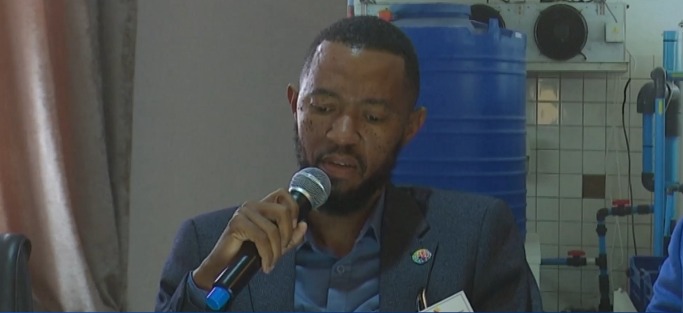
Local scientists fear that Namibia's ability to understand its changing marine ecosystems is being threatened by a lack of funding for scientific research.
Understanding changes in Namibia's marine ecosystems requires years of research, monitoring and data collection.
But scientists at the 11th SANUMARC Annual Research Conference in Henties Bay revealed that limited funding remains one of the biggest obstacles to building that knowledge.
The Deputy Director of Wildlife Monitoring and Research, Kenneth Uiseb, stated, "I think science is one of the most underfunded activities in Namibia. If you look at all the ministries that are dealing with science or have got science-related components, the amount of funding allocated to advance science is really limited."
Uiseb says research also competes with pressing social needs such as health and education, leaving limited resources for scientific work.
Others noted that funding is needed not only for research projects but also to develop and retain scientists and maintain long-term data collection.
"Of the key questions that we need to understand about our ecosystem, how it's functioning and which direction it is going, we still have a lot of gaps there in terms of addressing those issues because who pays for answering those fundamental questions? Because they may not be viewed as a priority elsewhere, but they are priorities for Namibia. So I think that's something that still has to be addressed," warns Prof. Tamuka Nhiwatiwa, Fisheries and Ocean Sciences Lecturer.
The researchers warned that without long-term investment, gaps in knowledge will continue to make it difficult to distinguish natural environmental changes from lasting ecosystem shifts.
They are calling for greater investment in research, human capacity and long-term monitoring to ensure scientific evidence can inform policy and resource management.