


Namibia’s tourism sector has been facing challenges of ensuring that its economic benefits reach local communities, young people, and small businesses while protecting the country's fragile natural and cultural resources.
These were the sentiments raised during the public consultation and validation workshop on the draft revision of Namibia's National Policy on Sustainable Tourism Development held at Swakopmund.
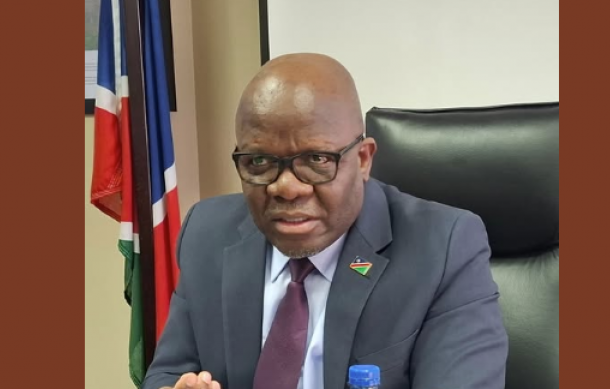
Environment, Forestry Tourism Executive Director Sikongo Haihambo said the policy review is an opportunity to address gaps in the current tourism framework and ensure the sector responds to changing realities and future challenges.
Sikongo stated that the revised policy must create an environment where Namibians, particularly young people and small and emerging businesses, can participate meaningfully in the tourism value chain.
The policy is also expected to address the need for tourism development to benefit communities across all regions, rather than concentrating economic opportunities for establishing destinations.
Erongo and Kunene are considered strategically important to the country's tourism industry, with attractions including the Namib Desert, Skeleton Coast, Brandberg, Swakopmund, and Walvis Bay.
Sikongo explained that these areas offer opportunities for marine and coastal tourism, adventure tourism, cultural and heritage tourism, community-based tourism, conferences, events, and desert experiences.
“Do not hesitate to challenge provisions where necessary. Identify gaps. Highlight practical constraints. Share innovative ideas. Most importantly, provide recommendations that can strengthen the policy and make it responsive to the realities on the ground. Our objective should not merely be to produce a good policy document. Our objective must be to produce a policy that can be implemented and that can deliver tangible results for Namibia and its people.”
However, he cautioned that tourism development must not come at the expense of the fragile desert and coastal ecosystems that sustain the industry.
Shikongo highlighted that unlocking the full potential of tourism will require coordinated planning, investment, and stronger collaboration between governments, the private sector, local authorities, and communities.
“It also means creating stronger linkages between tourism and other sectors of our economy so that tourism generates greater local value, supports Namibian enterprises, and contributes more substantially to inclusive economic development. The final policy should therefore provide a clear direction for the sector while creating sufficient flexibility to respond to emerging trends, changing markets, technological developments, climate-related challenges, and evolving visitor expectations.”
Therefore, he called on stakeholders participating in the consultation to openly identify gaps and practical challenges in the draft policy and provide recommendations that can make it more effective.