

The unifying role of the Kiswahili language in the liberation struggle of Southern African countries, with particular focus on Namibia, was highlighted during a symposium in Windhoek on Friday.
The meeting was organised by the Triumphant College.
The gathering brought together educators, diplomats and students to reflect on how the Kiswahili language was used as a tool for unity and communication during the fight for liberation of Southern Africa.
The Rector of Triumphant College, Jefrey Kiangi, said Kiswahili was more than just a language, and it was a bridge that connected freedom fighters across the region.
"We will be talking about the contribution of Kiswahili, particularly in the liberation struggle in Southern Africa, with a particular focus on Namibia. But that's just one example of how a language can serve as an empowering tool. And when we leave here, we will have to think about how we can use our African languages to liberate development, growth, interaction, and even knowledge acquisition in various areas that might be engaged."
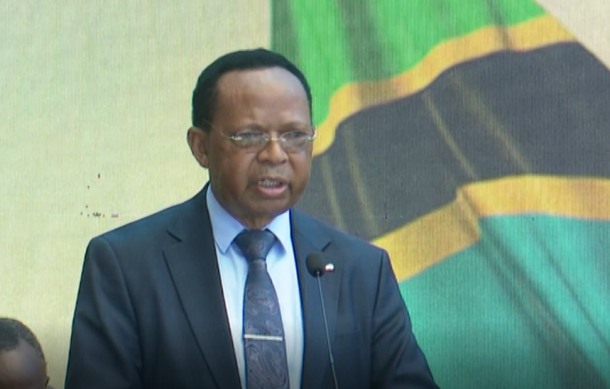
Tanzanian High Commissioner to Namibia, Caesar Waitara, said the symposium reflected the long-standing ties between the two countries and the need to preserve African heritage.
"The purpose of this symposium is just to tell the Namibians, and the youth in particular, that Kiswahili was one of the key instruments in the liberation struggle for Namibia because the freedom fighters or the veterans who stayed in Congo received military training in Kiswahili, particularly in terms of the medium of instruction, which was conducted in Kiswahili. And by learning Kiswahili, they used it on the front line while battling with the Boers, or in Kiswahili we call them Kaburus. So this is what we want to tell the Namibians. As you know, it's meant to be bilateral ties between Namibia and Tanzania in terms of culture."
Waitara encouraged Namibians, especially the youth, to take an interest in Kiswahili not only for its historical value but also for the opportunities it could open across the continent.
He said efforts to introduce the language in Namibia were started in 2020, and stakeholders believe the time is right to revisit the conversation and invest in homegrown knowledge systems.