


A research project using artificial intelligence (AI) to improve agriculture has been welcomed by the National Commission on Research, Science, and Technology (NCRST), which says it is pleased with the progress made so far.
The project, taking place in Kongola, is led by the University of Namibia and supported by the African Centre for Technology Studies. It is funded by Integrated Rural Development and Nature Conservation (IRDNC).
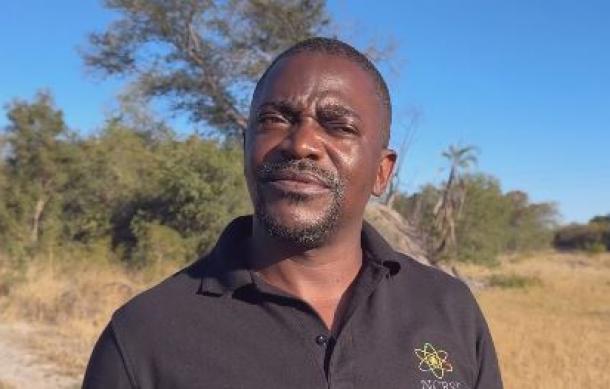
NCRST Manager for Research Mobilization, Mubiana Katukula, says the extension of the project until December is a positive development.
"Literally I can say NCRST is so far happy, especially that the project has been extended to December, so we have got extra months where the researchers can try to implement a lot of the things we are trying to squeeze in and to see to it that the locals benefit as much as they can," he said.
Principal researcher Dr. Ezequiel Fabiano says the study focuses on using satellite sensing and AI tools to monitor soil quality, crop health, and yields, especially for small-scale farmers.
"Basically, we take measurements in agricultural fields, so things like major soil properties, and we try to categorize activities like small organisms underneath the soil that help the plants grow," he said.
"We also take the same measurements in the fields next to the agricultural field, because we believe that as we cultivate the field, some of those properties are lost, and if we know what is in the fields adjacent, we can always put soil back on the cultivated field to improve quality."
Dr. Fabiano said the long-term aim is to develop a tool that sends real-time updates to farmers.
"Say if we pick up on the system that their crops are looking dry-ish, we can send a message to them and say, 'You may want to do something about it,' so they can increase their irrigation or do something about it," he said.
Farmers who are part of the project say the intervention has come at the right time.
"This year we have gone through a lot; we have a lot of animal problems, pests, and drought, so it has really come at the right time," said farmer Nebra Muchimba. "And also, we really liked the idea of soil testing, because we have just been cultivating; we don't know whether this thing I'm planting is collaborating well with the soil that I'm cultivating, so we are really looking forward to having the results from our fields."
Another farmer, Dominic Moyo, said the knowledge gained has been valuable.
"We learned a lot. We are going to use the information that we obtained here about soil quality and plant health that can lead to better yield," he said.
The project continues until December, giving researchers and farmers more time to apply AI-driven solutions in the region.