


Budgetary constraints and a sluggish procurement system are contributing to the collapse of the Mashare Agricultural Development Institute (MADI) in the Kavango East Region.
Once a symbol of agricultural pride, the institute was established 49 years ago and focused on the preservation of livestock breeds, seed production, crop cultivation, and agricultural training.
Today, the facility lies in a state of decay. Words like "renovation" or "rehabilitation" seem out of place here.
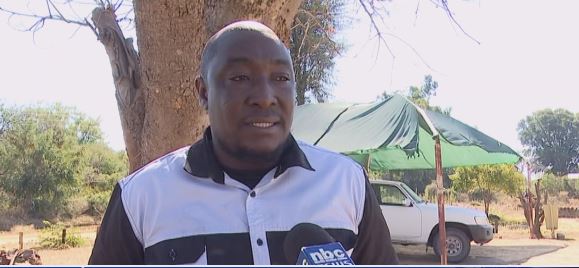
George Haufiku, Farm Manager at MADI, said, “Renovation is part of the struggle in government, especially old buildings. This institute was constructed in 1976. The last revamp was in the late 2000s. Our buildings are in a very bad state and it’s all because of government budget constraints in terms of renovations.”
Paulus Mbangu, Chairperson of the Committee on Agriculture, Environment and Natural Resources in the Kavango East Regional Council, expressed frustration.
“This institution used to be an agricultural college. It flourished in the past. For whatever good reason, they deregistered it, and you know that there are a lot of green schemes here. How can a region with green schemes not have an agricultural college? It’s just unacceptable. Whoever took that decision, it was not well thought out.”
MADI does not receive an individual budget. It gets an annual allocation of N$10 million, which must be shared among 11 other government farms nationwide.
The farm is so underfunded that it cannot even afford a copy machine. Staff shortages, lack of vehicles for operations, and limited veterinary services further hamper its ability to function.
Hamunyera Hambyuka, Governor of Kavango East, highlighted the risk to animal health.
“Goats, pigs—the animals are just moving around, there is no control. They can also be infected when they are mingling with the community animals. It’s better to contain and treat them. We need to have veterinary doctors stationed here to look at the cattle daily, not just after two or three months. The vet is supposed to be based here.”
Despite the challenges, the institute is working towards revival. It is in the final stages of registering with the Namibia Qualifications Authority and obtaining accreditation from the Namibia Training Authority to offer courses in horticulture and animal husbandry.
Haufiku remains hopeful: “I think the governor’s presence here and coming here will give us some hope to interact with head office, the minister, with the ED, so that at least we can have some sort of change at the end of the day, to revitalise the institute for it to be doing what it’s supposed to be.”