


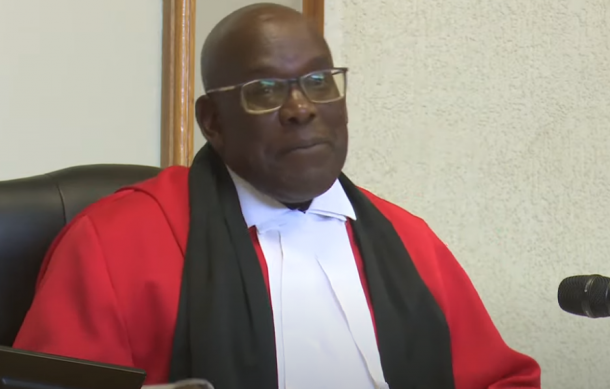
Justice Moses Chinhengo has stood down from presiding over the high-profile Fishrot corruption trial, citing personal reasons, a move that comes after months of legal contestation by the accused, who had repeatedly sought his recusal.
Deputy Chief Justice Petrus Damaseb confirmed the change, announcing that Acting Judge Marilize Du Plessis will assume the role from the 1st of August 2025.
While Damaseb expressed gratitude for Chinhengo's professional conduct, the timing and background of the decision raise significant questions.
Throughout the trial, the 28 individuals and entities in the Fishrot case facing charges of corruption, fraud, and money laundering launched several unsuccessful applications to have Justice Chinhengo removed, citing concerns over his perceived unprocedural appointment.
These recusal attempts were consistently dismissed by the judge himself or by higher courts, reinforcing the judiciary's position that there were not sufficient grounds for disqualification.
Yet, despite standing firm against those challenges, Justice Chinhengo has now withdrawn from the case voluntarily, without a formal recusal ruling.
This has led many to speculate whether the pressure and perception challenges surrounding his continued role in the case eventually became untenable.
Law Professor at the University of Namibia, Dunia Zongwe, says, for the accused, the judge's departure may be perceived as a backdoor victory, achieved through persistence, for what could not be secured through legal argument.
For the judiciary, the move may represent a strategic decision to protect the credibility and integrity of the trial from further dispute and delay.
The Fishrot case involves alleged bribes paid by Icelandic fishing firm Samherji in exchange for Namibian fishing quotas.
Now that Judge Du Plessis has taken over, the trial's trajectory remains uncertain based on its past performance.
While the judiciary promises continuity, the change in leadership could result in adjustments to the trial schedule, revisiting of legal arguments, or shifts in court dynamics.