


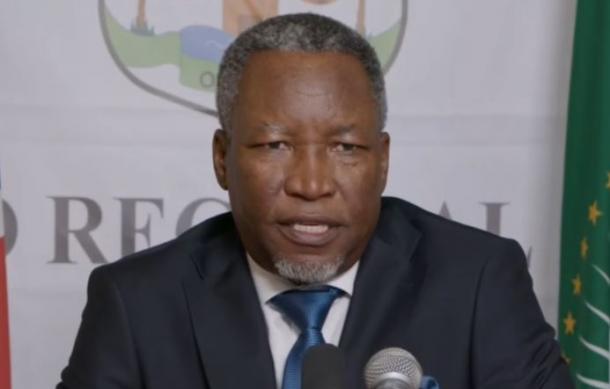
Oshikoto Governor Sacky Kathindi delivered his maiden State of the Region Address at Omuthiya under the theme "Purposeful Action Towards a People-Driven Development".
In his address, Kathindi highlighted the region's developmental progress and its potential to become "an unstoppable force for change".
Kathindi emphasised the importance of land as the cornerstone of development. He said proper land management is critical to achieving food security and income generation.
Nine farms were assessed and demarcated for settlement, enhancing land access and sustainable use thereof.
For the first time in the region's history, 22 occupational land rights were registered, primarily benefiting educational institutions.
The region generated over N$165,000 in revenue through communal and resettlement lease fees, supporting local land administration.
"A total of 1,328 customary land rights were registered, marking a 96% achievement of the regional target. Over 2,000 land rights certificates have already been handed to the Ondonga traditional authority for distribution," said Kathindi.
Progress was also reported in advancing gender equality and child protection:
Several income-generating projects were supported by the Ministry of Gender Equality, Poverty Eradication and Social Welfare.
135 survivors of abuse received comprehensive care and support.
Awareness campaigns on gender-based violence reached over 1,300 learners and 1,400 community members.
"Psychological support was extended to 272 vulnerable children, and court protection orders ensured the safety and placement of 35 children in alternative care. The male engagement programme reached 274 men and boys, fostering a cultural shift towards gender equality."
He appreciated the availability of Family Support Centres and the SOS Children's Village in Tsumeb, used as a placement for children for safety.
However, Kathindi noted challenges, including the absence of a magistrate's court in Omuthiya, shelter facilities for at-risk children, logistical constraints for outreach services and the misuse of social grants.
On tourism and conservation, the King Nehale Conservancy was highlighted as a success story, generating N$1.26 million in revenue from tourism and hunting.
"Half of this income, more than N$670,000, was reinvested in community development projects, including health consultation rooms, church and kindergarten upgrades, earth dam excavation, and traditional authority support."
The region remains predominantly rural, and it requires a lot of infrastructure development.
Kathindi noted electrification projects underway at schools, churches and growth points in constituencies such as Eengodi, Nehale lyaMpingana and Oniipa.
Water expansion projects are also ongoing in various constituencies, creating 149 temporary jobs in the process.