


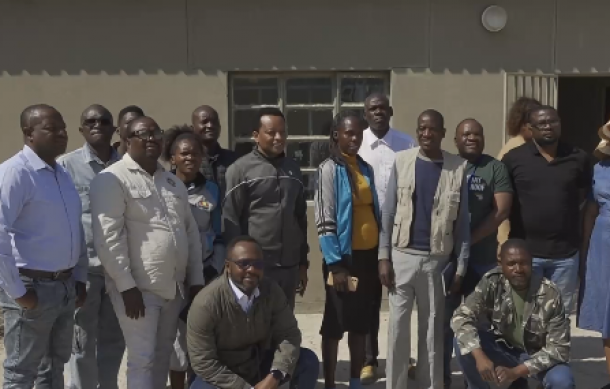
The Parliamentary Standing Committee on Natural Resources is impressed with the development initiatives and community assistance performed by conservancies in the Zambezi Region.
Despite the good work the committee says is being done, it noted challenges emanating from Namibia's Community-Based Natural Resources Management Programme.
The Community-Based Natural Resources Management programme was designed to empower local communities to manage and benefit from their natural resources, fostering both conservation and economic development.
The Parliamentary Standing Committee on Natural Resources visited the Salambala and Mashi conservancies to engage the management as part of its oversight responsibilities.
Chairperson of the Committee Dr. Tobie Aupindi says since the adoption of the CBNRM programme in the early and late 1990s, it has not been amplified to adapt to new environments.
Aupindi says there are new economic and environmental dynamics, but the conservancies still operate under the founding framework of management, communication and wildlife conflict, which are basic.
"The more strategic issues that must be confronted are, for example, issues of concessionaires and how they manage the entire value chain and the supply chain around the benefits and products and the market confrontations, because conservancies are very much at an elementary level, meaning most of them cannot even meet the concession level, for example, the plan of implementation where we train conservancies into professional hunting."
The Committee suggests that conservancies be trained on how to manage hunting concessions and become concession holders, given the fact that most conservancy revenue emanates from trophy hunting.
Dr. Aupindi says conservancies must align themselves with new products available on the market.
The Committee on Natural Resources observed sufficient human potential in the conservancies, it said, that are willing to work and contribute to economic development and local beneficiation.
It thus calls on the line ministry to create an enabling environment for the community to step up into, rather than remain satisfied on the elementary level as conservancy members only.
They also commended conservancies' funding of students' further studies, given the need for capacity building in management.
"The conservancy programme in the Zambezi made N$30 million, that is combined because there are different incomes from different conservancy funds. That's a big resource that requires someone with absolute knowledge to manage those resources rather than just employing, so they must be capacitating themselves as a community or otherwise employ people who are competent because people are here, it's not that people are not here. And the whole thing about nepotism, the whole tribal aspect, is also impeding the way conservancies are managed."
The committee expressed its overall satisfaction with what it observed, promising more engagement to guide assistance.
The Committee on Natural Resources completed its oversight role in the Zambezi Region on Tuesday and proceeded to Kavango East for similar engagements.