


This year, the United Nations General Assembly is again expected to overwhelmingly vote in favour of a resolution condemning the 63-year-old economic blockade against Cuba.
Next week's non-binding resolution will be the 33rd consecutive year in which it will be put before a vote in the UN General Assembly.
Last year, the 193-member Assembly adopted its annual resolution titled "Necessity of Ending the Economic, Commercial and Financial Embargo Imposed by the United States of America Against Cuba" with a recorded vote of 187 in favour, two against (the United States and Israel), and one abstention.
In accordance with the adopted resolution, the General Assembly urges other states that have and continue to apply laws or measures in support of the blockade on Cuba to repeal or invalidate them as soon as possible.
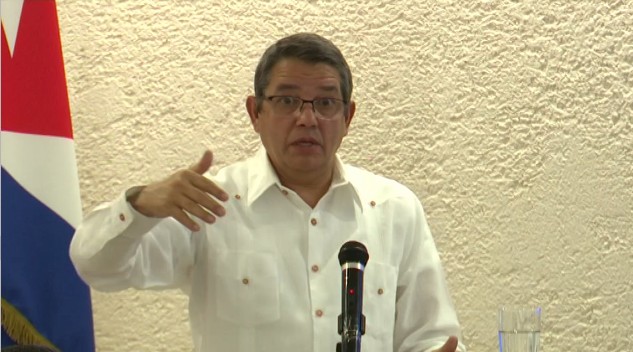
Cuba's Ambassador to Namibia, Sergio De La Uz, told a media conference in Windhoek that the island nation suffered financial losses and economic hardship under the blockade imposed by the US in 1962.
He stated that the blockade was further strengthened by several pieces of legislation, such as the Cuban Democracy Act and the Helms-Burton Act, while the US implemented 24 new sanctions against Cuba over the last nine months.
During the annual high-level segment of the United Nations General Assembly in September, leaders of 43 countries, including President Netumbo Nandi-Ndaitwah, called for the lifting of the blockade.
"In Namibia, we can't do transactions from Cuba because the money must first go to Europe. This creates a significant obstacle to conducting any transactions. For the collaborative that we have here, for the embassy, we have around 130 embassies all over the world. A third of those embassies cannot accept or work with credit cards or any other cards."
The Namibia-Cuba Friendship Association will be hosting a call for solidarity to denounce the unjust blockade in Windhoek on Saturday.