


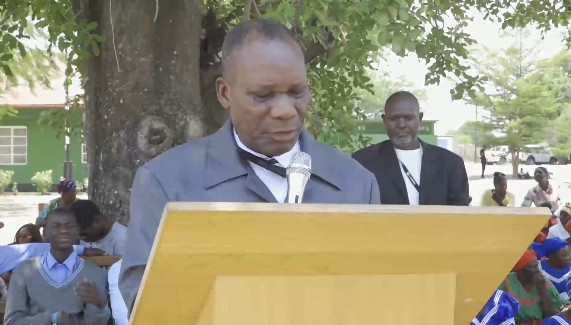
The Masubia Traditional Authority in the Zambezi Region extended its farewell wishes to their retiring stalwart, Ngambela Albius Milinga Kamwi, on Friday.
The Traditional Authority described Kamwi as a genuine champion of the Authority and its community, showcasing steadfast commitment, wisdom, and integrity.
In a message read by the Masubia member of the advisory committee, Alfred Ilukena, the Masubia Traditional Authority observed that Kamwi's leadership was crucial during the difficult years following the death of their Chief Kisco Liswani III in 2021.
Ilukena emphasised that Kamwi navigated the Masubia community through uncharted waters, ensuring stability and continuity without a chief and the chief's advisor, adding that his tireless efforts did not go unnoticed among the community.
"Those of us who travelled with him say we understand and appreciate all the guidance and advice, and we collectively undertook to resolve the challenges we were faced with. We also understand how stressful that position was to you in particular, and all eyes were fixed on you for every step and move you took."
Ilukena further expressed the traditional authority's gratitude to Kamwi's family, as his legacy will remain an inspiration for future generations of the Masubia community.
The Zambezi Ngambela's forum, of which he was the chairperson, described Kamwi's leadership as a beacon of hope, wisdom and unity of purpose for all people of the Zambezi.
On his part, the retired Ngambela of the Masubia Traditional Authority, Albius Kamwi, expressed gratitude for the opportunity granted to him by the Masubia community to serve them in the second-highest office of the tribe.
He urged the Masubia Traditional Authority to continue working together with the government and other stakeholders to uplift the living conditions of people and prioritise education, economic empowerment, and social welfare, ensuring that future generations thrive.
The forum observed that Kamwi's leadership strengthened the bonds of cooperation and mutual respect among residents of the region.