


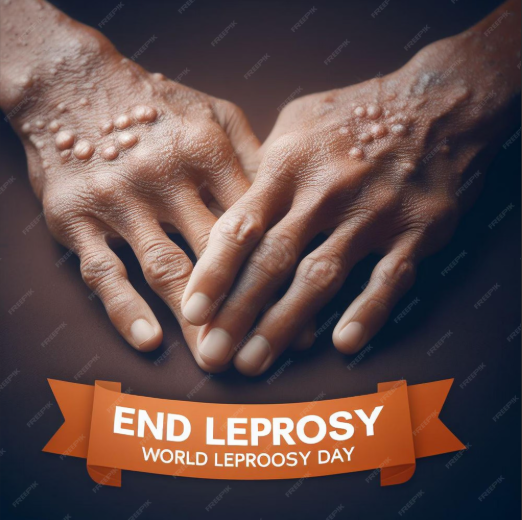
Health authorities say Namibia detected and treated 36 leprosy cases last year.
The remarks were made during World Leprosy Day commemorations held in Nkurenkuru.
Leprosy is a chronic infectious disease that primarily affects the skin, nerves, and nose, leading to numbness and muscle weakness, and, if left untreated, can lead to permanent disability.
Symptoms can take between one and 20 years to appear.
Leprosy is curable if detected early, but in most cases people do not report on time due to stigma and misinformation.
“For far too long, the greatest burden of this disease has been stigma and discrimination. Misconceptions and fear have led to social exclusion, loss of livelihoods, and violations of basic human rights. Many people affected by leprosy suffer more from rejection and social exclusion than from the disease itself,” Governor of the Kavango West Region Verna Sinimbo explained.
Namibia has made commendable progress in combating leprosy.
However, new and related cases continue to be reported in the Kavango West and East, Zambezi, Khomas, and Oshana Regions.
These cases were identified through contact tracing.
“Every single person affected by this disease is an integral thread in the fabric of our humanity—they are our neighbours, our parents, our children, and our friends. They are citizens endowed with inalienable rights and profound dignity. Let today mark a turning point where we not only offer medical care but also restore hope, ensuring that no one is defined by an illness but rather celebrated for their resilience and their vital place in our shared future,” Sinimbo added.
The day was commemorated under the theme "Leprosy is Curable; the Challenge is Stigma."