


In the past, cross-border trade in Francistown, Botswana's second-largest city, was largely dominated by women from Eswatini, Lesotho, Zambia, and Zimbabwe.
But of late, an increasing number of adventurous and innovative Namibian women are entering the fray as they seek economic independence and stability in trading beyond limits between Botswana and Namibia.
By dawn, Haskins Street in downtown Francistown, is already alive with cross-border traders.
Footsteps pound the pavements while traders shout out their best deals and shop shutters rattle open in rhythmic unison.
It is the sound of Botswana's northeastern capital city in motion, and at the heart of it, are the women crossing from neighboring countries, each day—chasing opportunity one sale at a time.
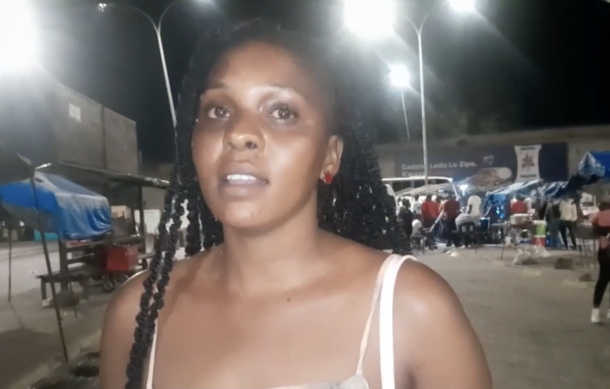
An optimistic Namibian cross-border trader from Katima Mulilo, Mulela Muhinda, explained her journey.
"I came this year. It is my first time coming to Botswana to order things like clothes, blankets, shoes, and everything you need, like bags. You can see for yourself; there are a lot that I am ordering. I just came for business, and a lot of things are very cheap and affordable, in Francistown."
For the past five years, the 28-year-old Muhinda ordered her stock from South Africa online until she learned about cheap products in Francistown.
She dreams of becoming a successful businesswoman in Namibia.
Across Southern Africa, millions of people, predominantly women and girls, engage in informal cross-border trade, shouldering heavy burdens and navigating bureaucratic hurdles just to make ends meet through this trade.
Cross-border trade between Namibia, Botswana, Eswatini, Lesotho, Zambia, and Zimbabwe. is estimated at nearly N$288 billion by the African Development Bank over the past few years.