


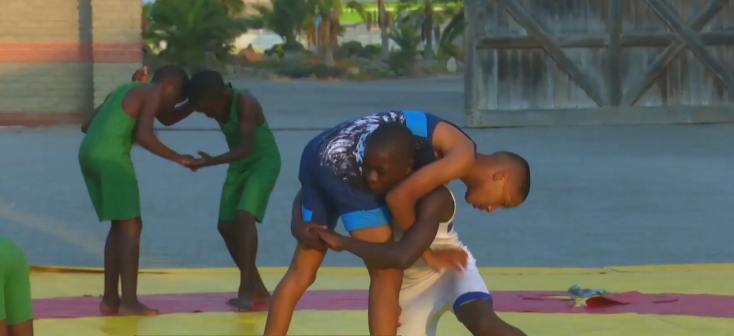
Concerns are mounting in the Erongo Region, where parents and coaches report that transport challenges are preventing young athletes from competing in events. The issue has reportedly caused several athletes to miss critical trials in Windhoek, potentially costing them opportunities for national selection and international exposure.
Frustration is growing among stakeholders who say that transport is frequently unavailable or arrives late, forcing athletes to travel long distances under fatiguing conditions. These events serve as vital stepping stones for aspiring competitors, and the current situation has raised questions about the role of the Namibia Sport Commission in facilitating support for federations.
Swakopmund Wrestling Club coach Gabriel Gurirab noted the administrative hurdles that often accompany these trips.
"Why is it that trials mostly lack transport? And if we do get transport, it often arrives late, requiring athletes to travel long distances overnight, leaving them fatigued and unable to perform at the expected standard. We operate on a budget from parents, yet we are often required to pay the Subsistence and Daily allowance (S&D) for the driver. When transport is approved by the ministry, why is the S&D for the driver not also approved? It creates a situation where athletes don't have enough to eat or cannot pay their competition fees," Gurirab said.
Parents further highlighted the financial and logistical burden placed on them, noting that requests for transport often come with short notice, leaving them to source funding independently.
"When it comes to transport, we don't get enough time to prepare. We have to pay for the driver, accommodation, and food, and there is no money provided. We often have to borrow from neighbors just to get by," parent Rachel Johannes explained.
Hendrik Hanse added that when official support fails, they are forced to rely on local transport. "They cannot support us with transport, so we must use local cars to get to Windhoek. We have to use money from our own pockets," Hanse said.
The impact extends beyond logistics, affecting the athletes' motivation and training standards. Russel Goldenfang highlighted the disparity in support, pointing to inadequate facilities such as training on wet canvases.
"A lot of strong, talented guys work hard, but I don't see enough support from the government or municipality. The kids are just losing motivation. This is a serious Olympic sport, yet we struggle to grow champions in these conditions," Goldenfang remarked.
Wrestler Andrew Seibeb emphasized that this is a persistent problem, not an isolated incident. "Every time there is a regional tournament, we experience the same problem—either we are unable to attend at all, or the transport arrives very late. We need the relevant authorities to find a lasting solution," Seibeb stated.
Freddy Mwiya, Chief Administrator of the Namibia Sport Commission, acknowledged the difficulties in organizing logistics, citing the scarcity of government vehicles and the importance of planning.
"Planning is key. We request federations to provide activity calendars, but at times it depends on the availability of transport within the government system. We do everything in our power, but at times, we are told that vehicles could not be acquired," Mwiya explained.
Mwiya stressed that transport for athletes should not be compromised, noting the risk of creating "urban-oriented" teams rather than true national representations.
"There must be a deliberate and strong political will to ensure we get the right type of fleet to support our affiliates. If transport is compromised, talented athletes from outside the regions lose out on being part of the national team. We need to be honest about these challenges and address them so that athletes are not held back," Mwiya concluded.