


Namibia launched a conservation project valued at more than N$1 billion in Windhoek on Wednesday.
The Namibia for Life Project Finance for Permanence (PFP) initiative aims to secure long-term funding for the country's community-based conservation programme and strengthen efforts to protect natural resources.
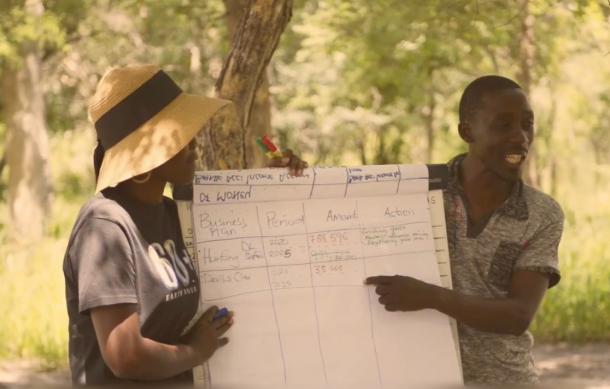
Communities play a central role in protecting wildlife and managing natural resources, an approach that has contributed significantly to the recovery of key wildlife species in Namibia.
However, being the first line of conservation, communities often find themselves dealing with human-wildlife conflict, protecting forests, managing wildlife and having to balance conservation with daily survival.
In most cases, they do it with limited resources and increasing pressures from climate change, land-use challenges, and economic hardship.
Hence, the need for the Namibia for Life Project, which has two main focus areas: Finance for Permanence (PFP), which is a long-term financing approach that includes an endowment fund to provide stable and predictable support beyond short-term projects.
While the Socio-Economic Development Fund (SEDF) will support community priorities by ensuring that conservation continues to deliver tangible economic value for rural communities through strengthening local enterprises, creating jobs, building skills, and investing in small-scale infrastructure.
"This initiative represents a historic milestone in Namibia's constitutional commitment under Article 95(l): to protect the environment while advancing the welfare and prosperity of the people. Importantly, this project has been co-created with communities themselves, ensuring that tangible benefits flow directly to conservancies and community forests throughout the country, says MEFT minister Indileni Daniel.
"This is why the Namibia for Life initiative is so important. It builds on a vision established more than 30 years ago, particularly in supporting community conservancies to continue growing and delivering impact. The approach remains focused on empowering rural communities to have a voice."
Chief Conservation Officer at WWF-USA, Nik Sekhran, adds, "I would like to stress that the PFP is far more than a financing mechanism; it is a foundation for stability, long-term investment, and sustained delivery of the critical extension services that conservancies and communities rely on. It gives us the ability to think beyond short funding cycles and to build systems that are sustainable and community-driven."
"Importantly, it must not leave the youth and vulnerable and indigenous people behind. Our youth are ready to participate, but they need opportunities for training, jobs, and leadership. Without them, the future of community conservation is at risk," stressed NCCFA Chairperson Thomas Muronga.
The programme currently supports 87 communal conservancies benefiting more than 283 000 people who depend on wildlife and natural resources for their livelihoods.