


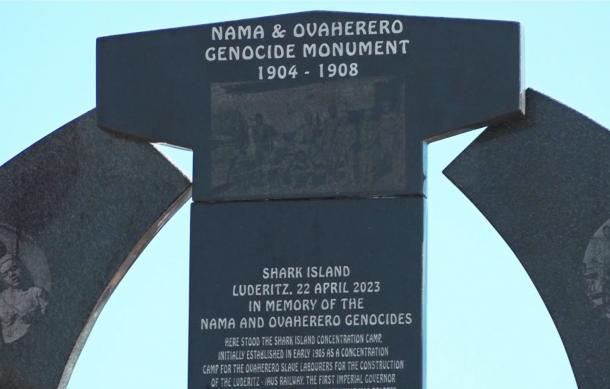
Shark Island, located off the coast of Luderitz, serves as a stark reminder of the atrocities committed by the German regime against the Nama and Ovaherero people during the 1904-1908 genocide.
Tomorrow, descendants of the genocide victims will return to the island to mark the second anniversary of the Genocide Remembrance Day, paying tribute to their ancestors.
The commemorations are expected to kick off with a street procession, led by horse riders in Luderitz. The procession will serve as a symbolic tribute to the victims of the genocide.
Dr Charles Eiseb, a descendant of genocide victims, emphasised, "Why the horses? Horses were used as tools of resistance." If we go back into our history, Hendrik Witbooi was shot whilst he was sitting on his horse in Vaalgras. So, horses by then were the most common and fastest mode of transportation. So, we also want to signify the importance of horse riding in our resistance. Apart from horse riding, there will be various speakers from the Nama and Ovaherero traditional leaders. The Ambassador of Germany will be available, and also some German Namibian colleagues, Namibians who are German-speaking."
Other activities include drama performances by young people. Dr Eiseb says the theme of this year's Genocide Remembrance speaks to unity and renaissance.
"First and foremost, I should say this was a racist-driven atrocity or genocide. Now, the lessons of racism, tribalism and divided nations, because Namibia is a unitary state, although we have our own identities of being Nama, Herero or whichever tribe. So, we must appreciate our unity, and that's what they talk about, the unity and renaissance. So, basically, the lesson that youth can learn is that unity is very important for progress."
Both the Hardap and ||Kharas Regions governors are expected to address the descendants of the genocide survivors.
Deputy Speaker of the National Assembly Phillipus Katamelo will deliver the keynote message at the commemoration event.