GENOCIDE CURRICULUM ABSENCE RAISES CONCERNS

Breadcrumb

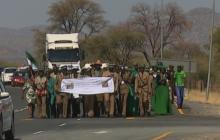
Activists and descendants of 1904-1908 genocide victims raised concerns over the absence of, particularly, genocide in the education curriculum.

They raised these concerns during a panel discussion ahead of the official commemoration this week.

THEATRE TELLS GENOCIDE STORY

Breadcrumb

Theatre is a powerful tool to use in telling Namibia's history and a place to articulate the pain and gains. 

These sentiments were shared by two creatives who created a play titled "Coming Home Dead", a story that tells the 1904-1908 genocide.

ACTIVIST RETELLS THE HISTORY OF CONCENTRATION CAMPS

Breadcrumb

The concentration camps established in Namibia during German colonial rule represent one of the darkest chapters in the country's history, which is the 1904 to 1908 genocide against the OvaHerero and Nama people.

JOINT DECLARATION AGREEMENT ON GENOCIDE EXPECTED THIS YEAR

Breadcrumb

The German-Namibian Joint Declaration Agreement on genocide, apologies and reparations is expected to be concluded before the end of the year. 

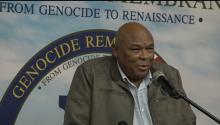
A member of the technical committee of the Genocide,  Apology and Reparations negotiations, Dr Charles Eiseb, revealed this in an interview with NBC News. 

OPUWO MARKS GENOCIDE REMEMBRANCE DAY

Breadcrumb

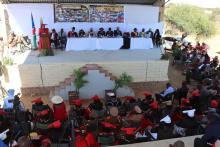
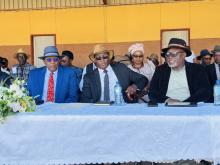
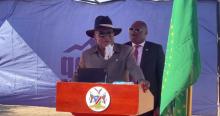
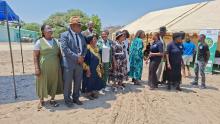
As Namibia observed the Genocide Remembrance Day through decentralised commemorations across the country, community members in Opuwo joined leaders in reflecting on the legacy of the 1904-1908 genocide against the Ovaherero and Nama people. 

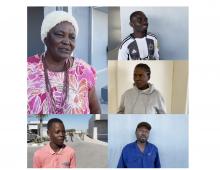
GENOCIDE MEMORIES STILL ECHO THROUGH GENERATIONS

Breadcrumb

The Ovaherero and Nama genocide remains one of the darkest chapters in Namibia's history, an era marked by deep suffering, loss and displacement. For many Ovaherero and Nama families, the painful memories of that time still live on through stories passed down from generation to generation.