


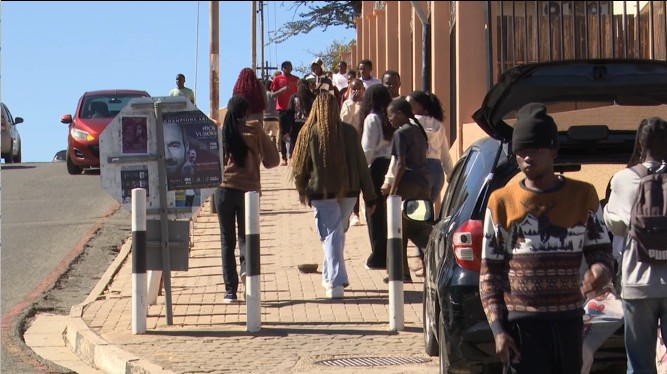
Students at the University of Namibia (UNAM) have questioned the effectiveness of government interventions aimed at cushioning consumers from rising fuel prices, saying the measures have had little visible impact on daily living expenses.
During a panel discussion, students said the introduction of measures such as fuel levies and transport adjustments has not eased the pressure they feel. They warned that the rising cost of living reflects broader concerns about economic governance and social protection policies, particularly for young people and students from low-income households.
“It becomes a social justice issue because it's more than just transportation. Transportation determines your access to opportunities,” said Tangeni Mathues, a political science graduate. “For example, you are a student; your cab, your Yango, gets you to the university, right? And we all, I think we can all agree, education should be a universal right.”
Self-funded student Secilia Sisingi said the increasing costs have forced many to make painful sacrifices. “Some of us are not even attending classes anymore because some of our parents don't work, and we are not funded by NSFAS, so it's really affecting us in a negative way. We couldn't afford $13 back then, and now it's $15, so we have to cut our budget,” she said.
Panellists also highlighted the media's role in improving public understanding of economic issues and humanising stories about the cost of living.
“Numbers alone do not really define the real-life experiences. I mean, numbers just tell the percentage number of people that have been affected, but if they report it economically, then people would actually understand,” said media student Liina Nakambale.
NSFAF beneficiary Staycey Kombungu urged the student loan fund to revise its payment schedule, saying delays worsen students’ ability to cope with rising expenses. “I also think that NSFAF should change its policies of paying in April because now we start school in February or March, and then we get paid in March or April, which is so late. So I think they should improve that,” she said.
The debate around fuel prices and government intervention continues as many Namibians seek lasting solutions to the country's growing cost-of-living challenges.