


Government has outlined reforms aimed at removing the fuel premium currently paid by consumers and improving the structure of fuel imports in Namibia.
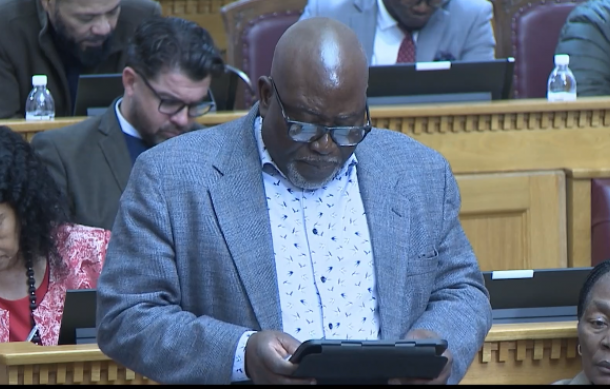
In a ministerial address to the National Assembly, Minister of Industries, Mines and Energy Modestus Amutse said many concerns raised about fuel pricing stem from misunderstandings about how the industry is structured and regulated.
Minister Amutse clarified that the Basic Fuel Price (BFP) reflects the international market price of fuel, including transport costs and profit margins.
However, over the past four years, consumers have also been paying an additional premium.
He said wholesalers have previously justified the premium on the basis of limited economies of scale and challenges in sourcing fuel at the basic fuel price, raising concerns about supply security if the premium is removed.
The government, however, maintains that the premium is unnecessary and has contributed to higher fuel costs for consumers.
"As far back as 2023 it was unanimously agreed with the petroleum industry that importers put order in battle. In a coordinated manner under a system known as the ballpark petroleum import coordination system. This is what the ministry has currently started introducing. Indeed, we have engaged with both local and international companies in countries such as Russia, Angola, Algeria and India and several companies such as Dakota and so on to supply our wholesalers on an affordable table. That was when we also submitted a code with a BFP flat rate, and no government guarantee is required in this exercise. They are actually selling their products cheaper than they have been all along. Meaning that they are selling it to the wholesalers without premiums added," emphasised Amutse.
The current approach seeks to formalise and regulate this process to ensure transparency, efficiency, and cost reduction.
He emphasised that government intervention is necessary because previous attempts by wholesalers to eliminate the premium have not been successful.